
1. The Landscape of Servo Motor Gears in the United States Market
The industrial landscape in the United States is undergoing a deep structural transformation characterized by advanced automation, robotic process integration, and the re-shoring of high-tech manufacturing. Central to this technological shift is the demand for precision motion control components, specifically high-durability servo motor gears. From the automotive assembly lines in Michigan to the defense aviation clusters in Texas, and the surgical robotics laboratories in California, precision gearing systems form the foundational architecture of contemporary mechanical design.
In the US market, key engineering requirements have transitioned from generic off-the-shelf components to highly customized micro DC and gear motor architectures. The integration of Autonomous Mobile Robots (AMRs) in logistics hubs, aerospace actuators, and surgical robotics demands micro gearing systems that possess minimal backlash, high power density, and prolonged operational cycles. As domestic supply chain strategies prioritize reliability and speed, direct factory collaboration with high-precision manufacturing facilities has become a critical operational paradigm for American Original Equipment Manufacturers (OEMs).
2. Global vs. Local: The Supply Chain Paradigm for Precision Gears
Globally, the manufacturing of precision micro motors and gears requires a synthesis of capital-intensive Swiss-type grinding machinery, advanced metallurgy, and optimized assembly procedures. While the US leads the world in advanced software integration, system design, and specialized application architectures, sourcing high-volume, precision-machined mechanical components at competitive price points requires structured international partnerships.
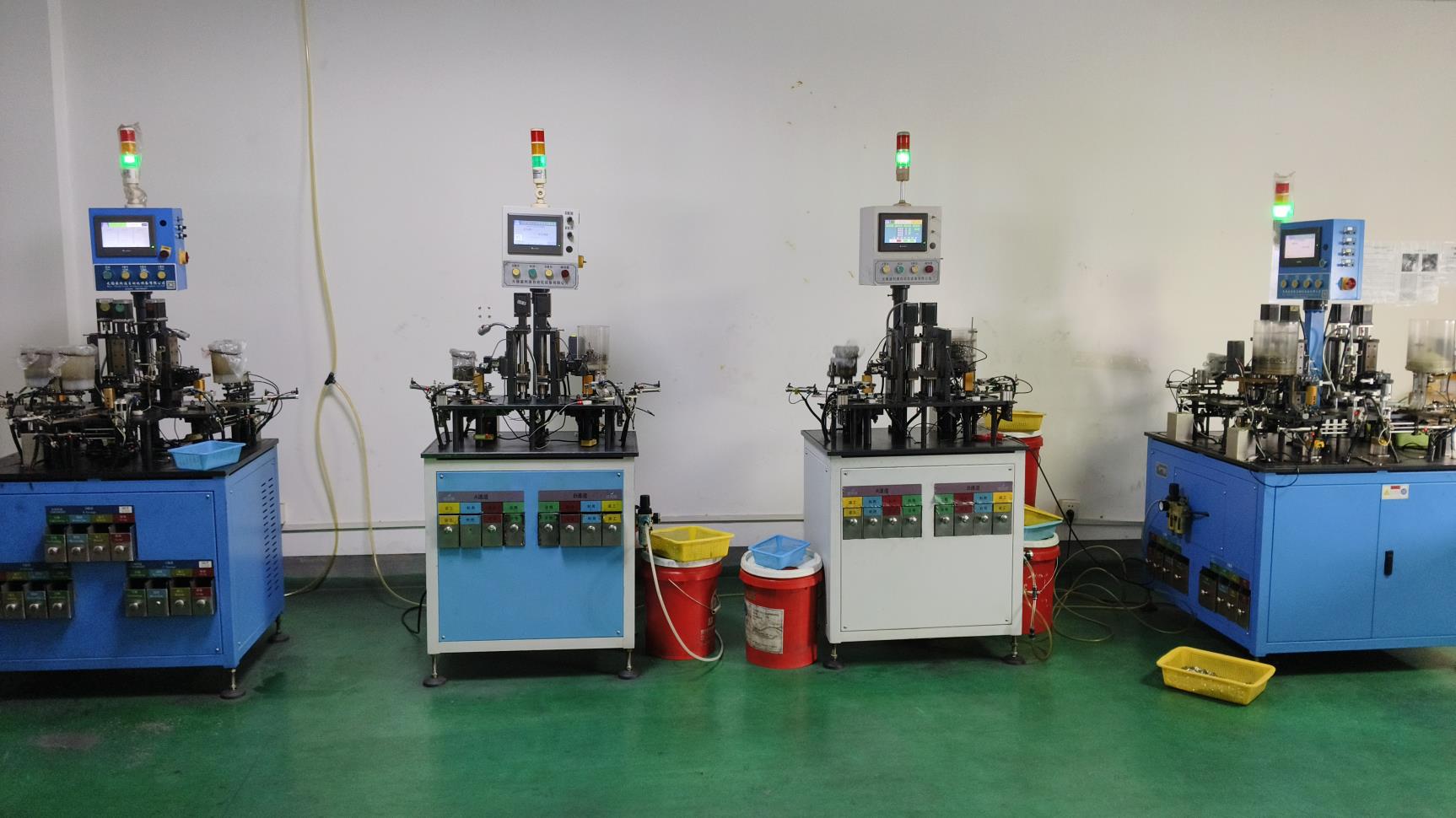
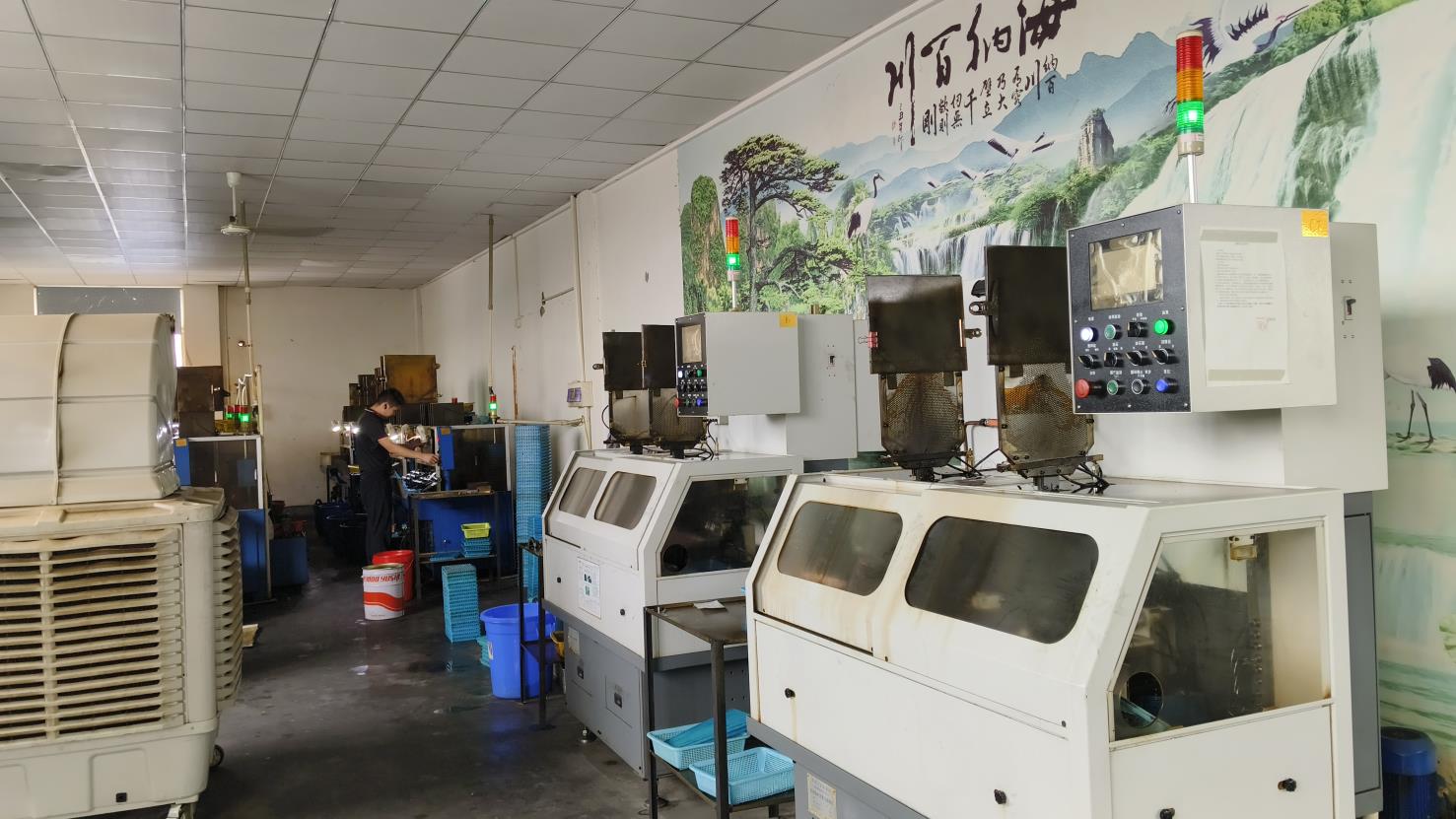
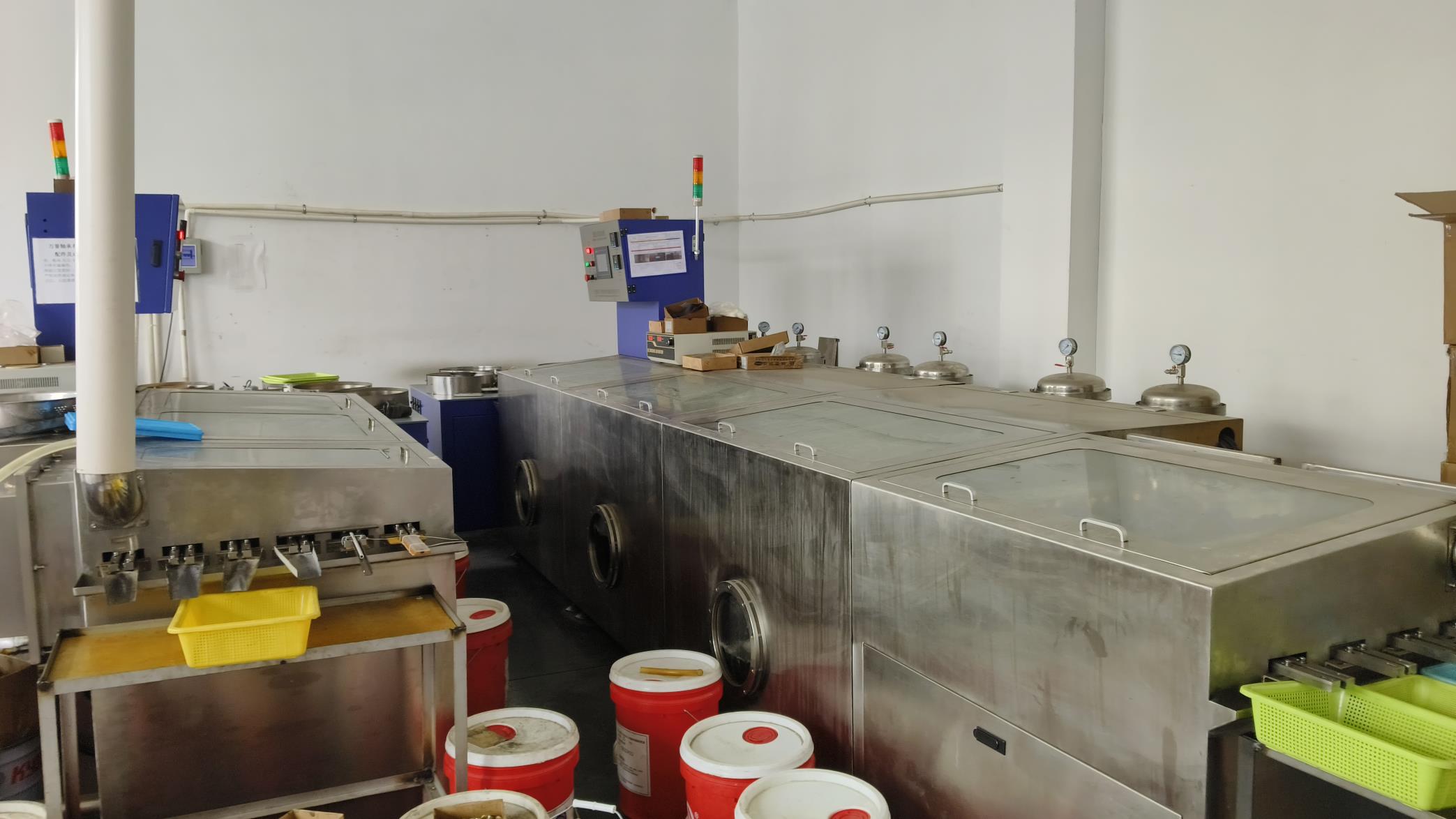
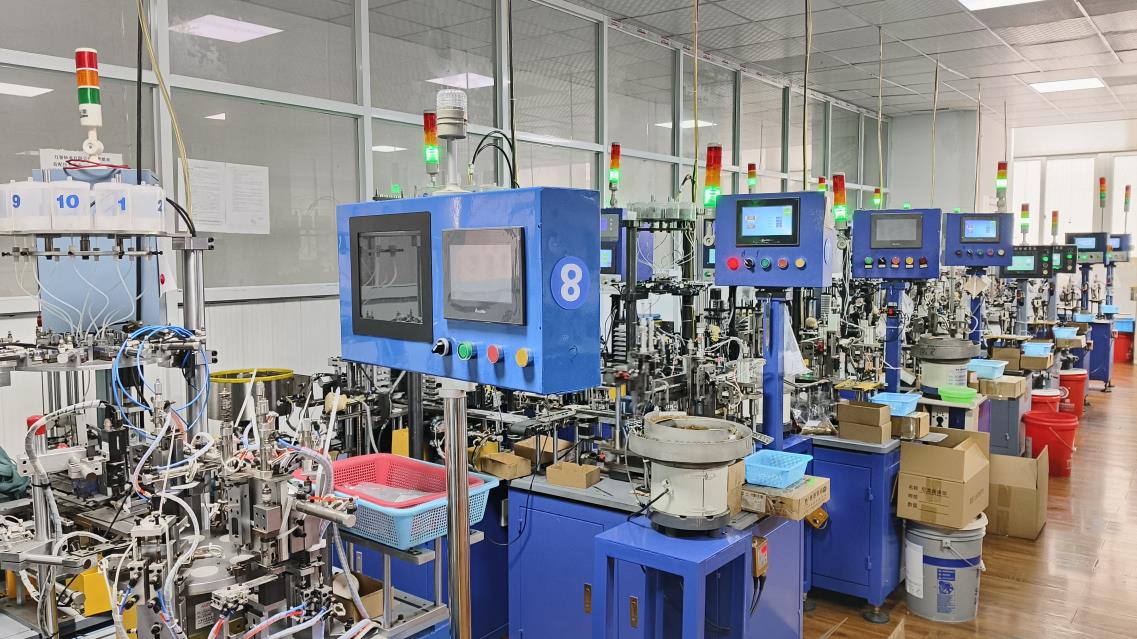
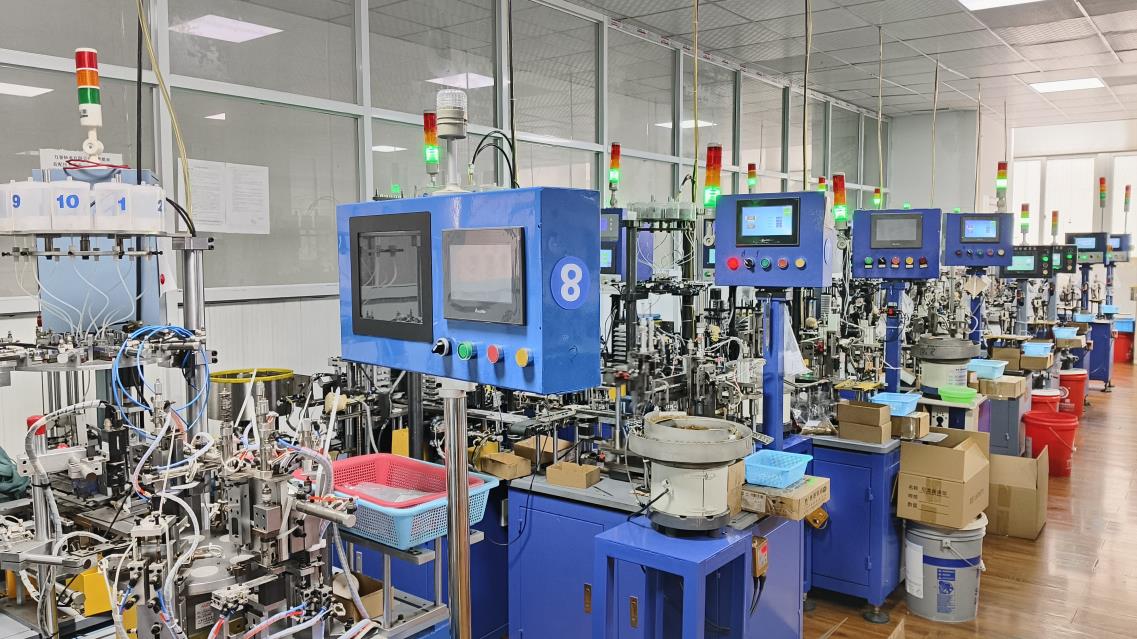
Dongguan AAGE Technology Co., Ltd. serves as a critical link in this global supply chain, offering direct factory-to-OEM manufacturing services. Located in the manufacturing epicentre of Dongguan, China, we bypass intermediary markup layers to deliver industrial-grade micro DC motors and speed reducers. This structural model allows US technical buyers to exploit the rapid prototyping capabilities and cost-efficiency of localized advanced production hubs while maintaining compliance with domestic quality requirements.
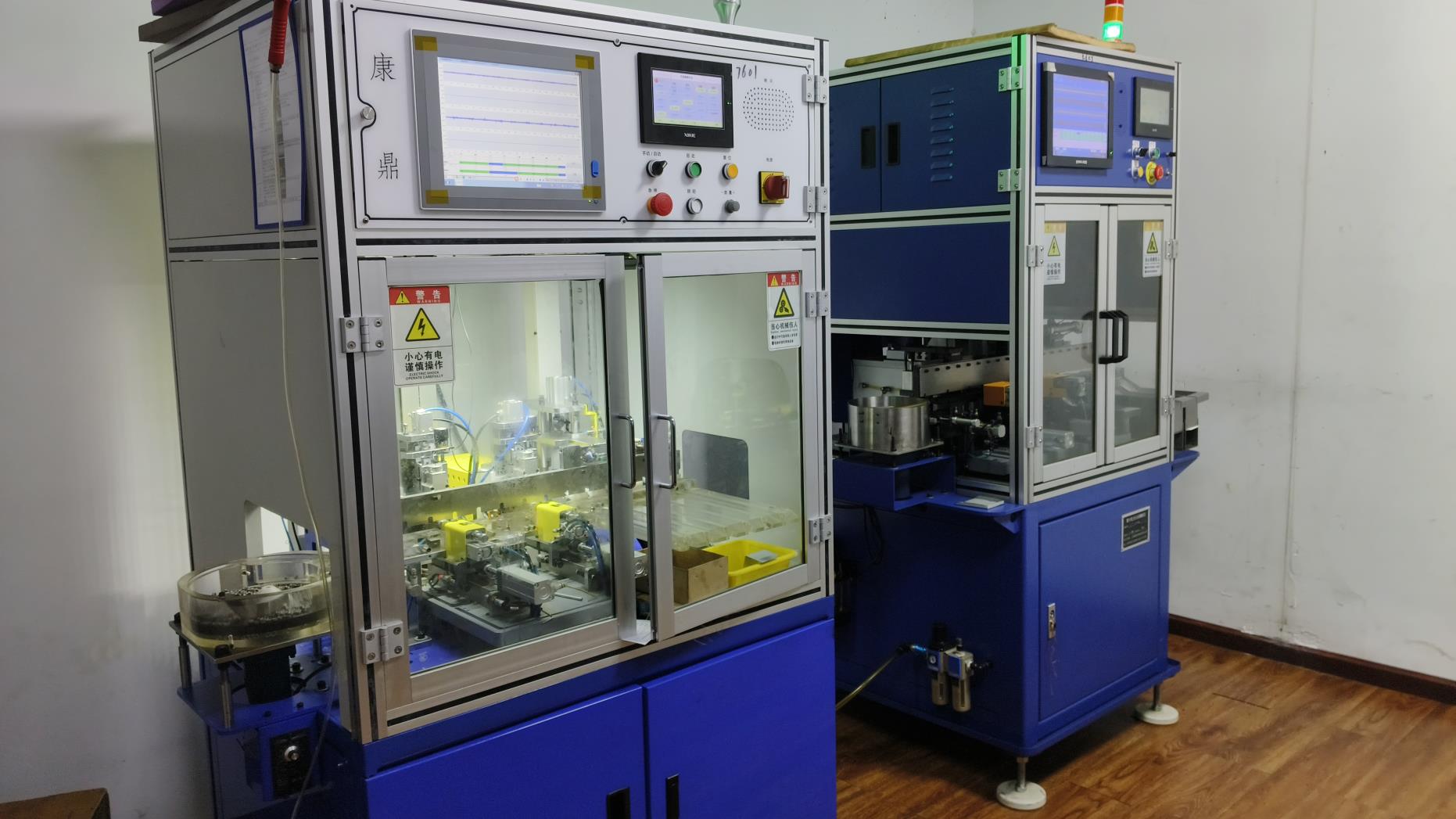
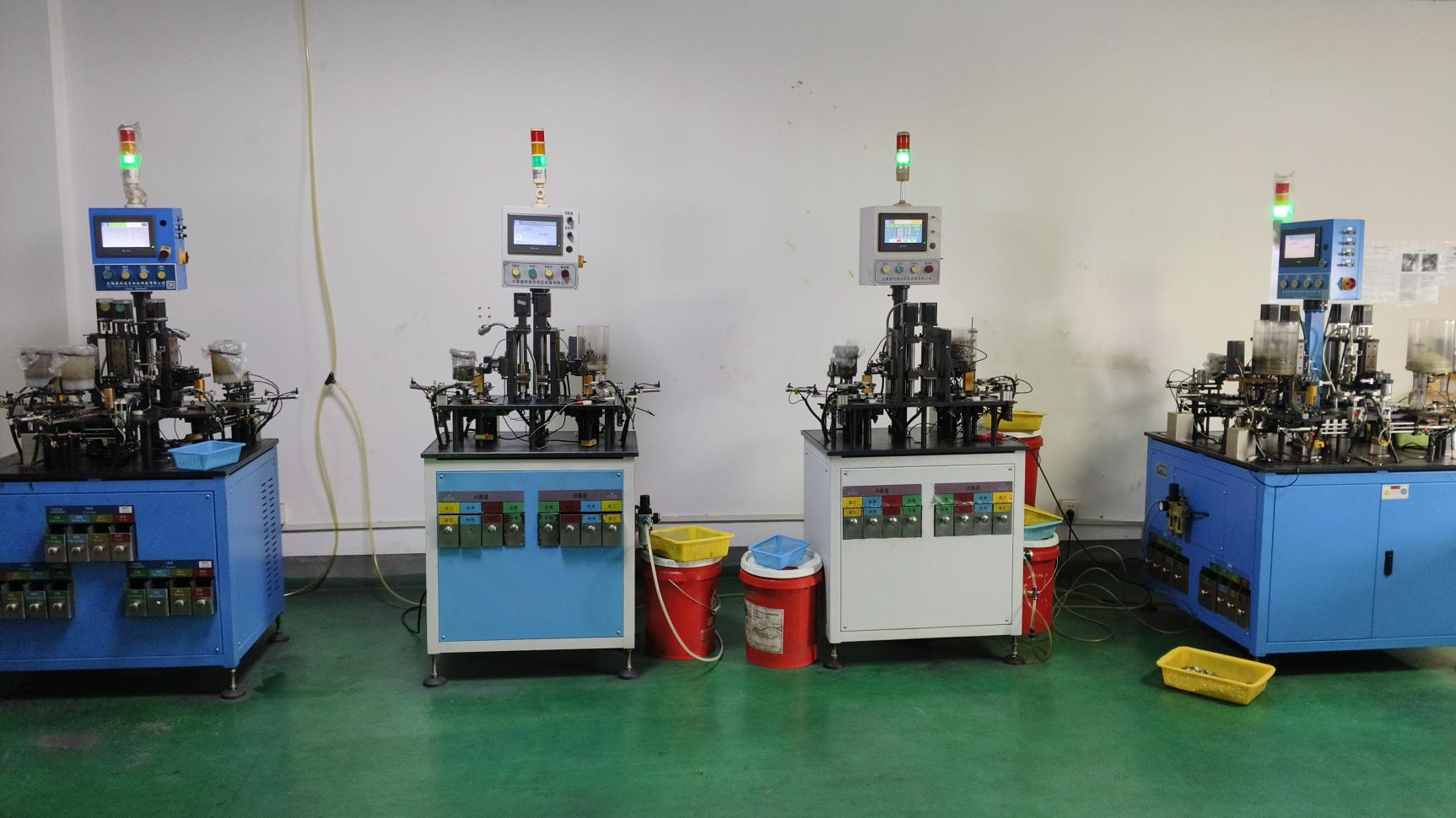
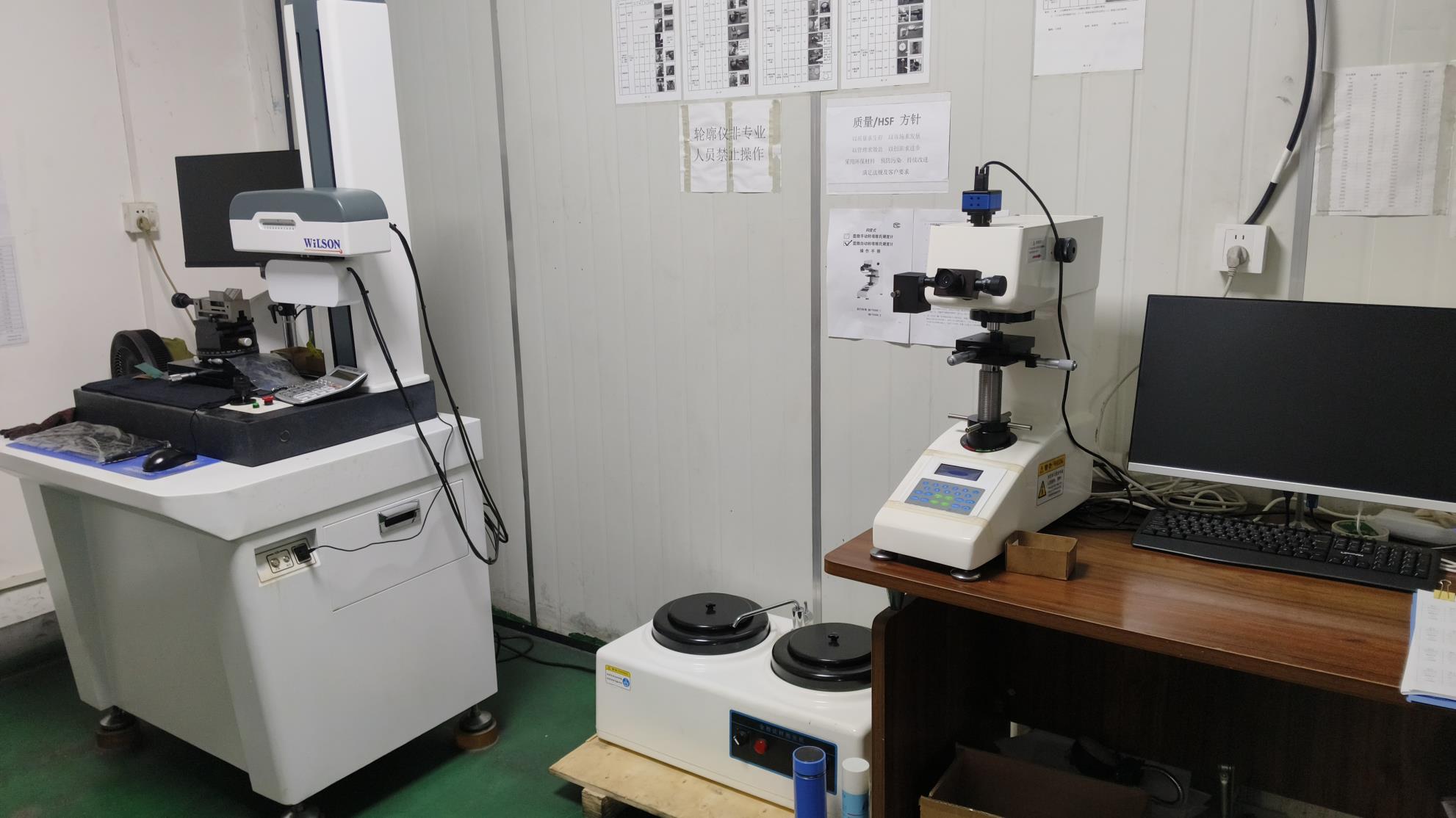
Direct Factory Value Chain
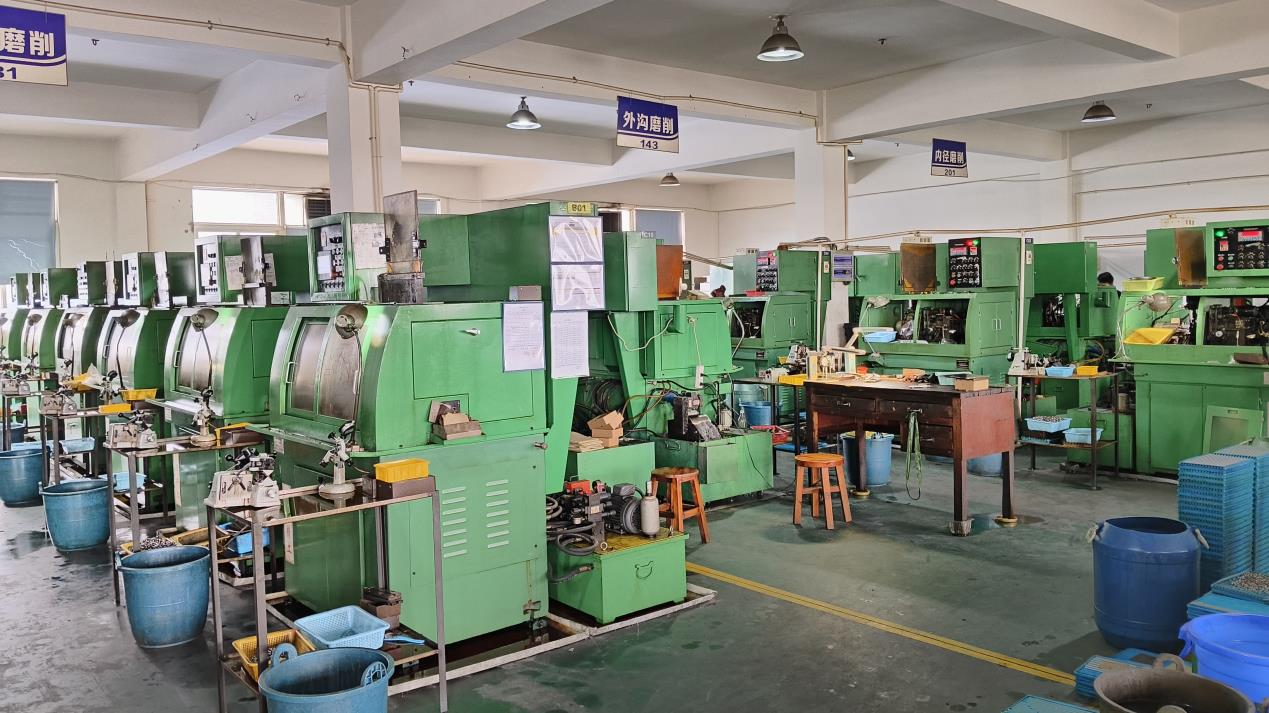
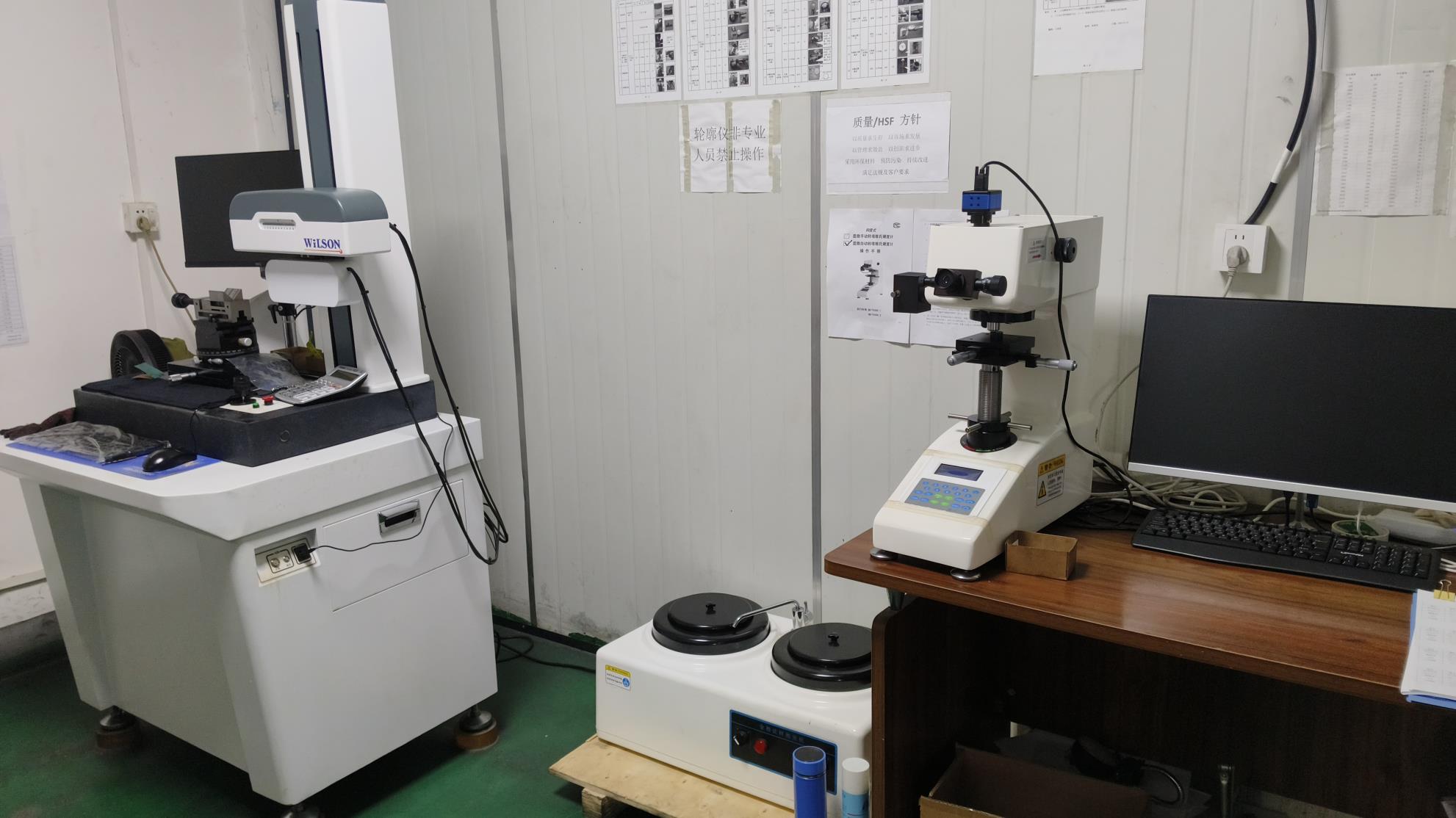
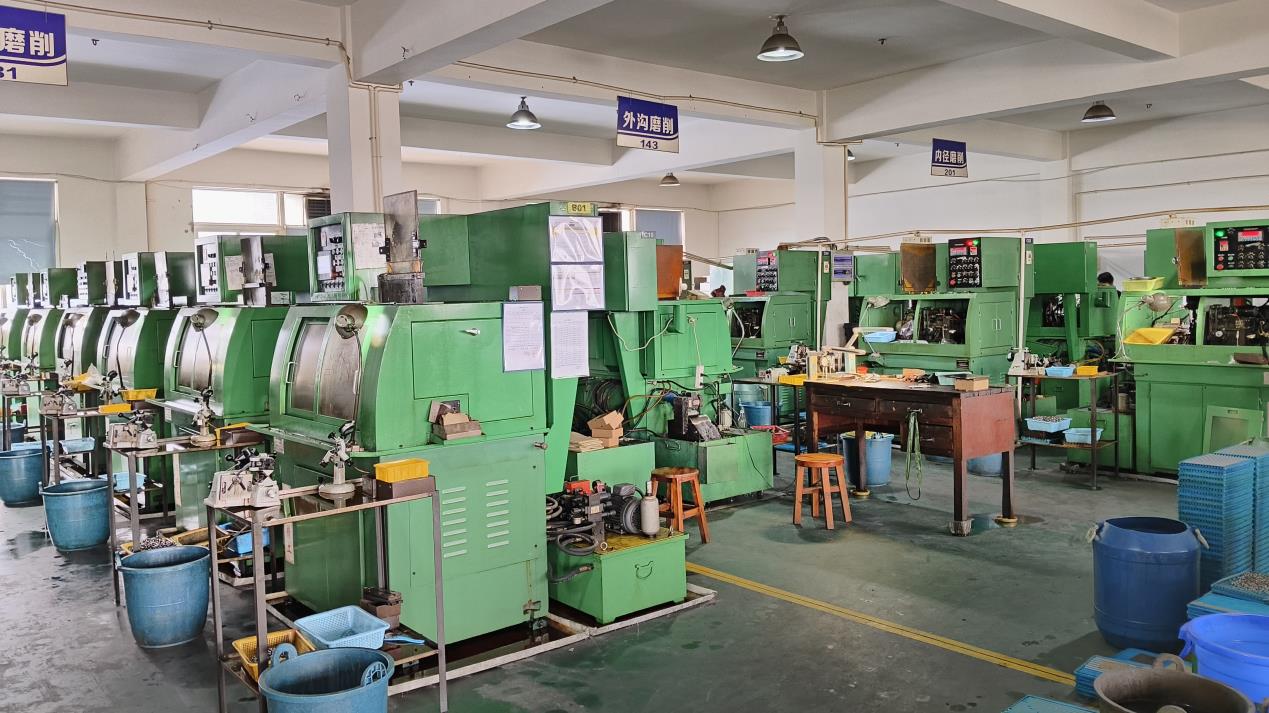
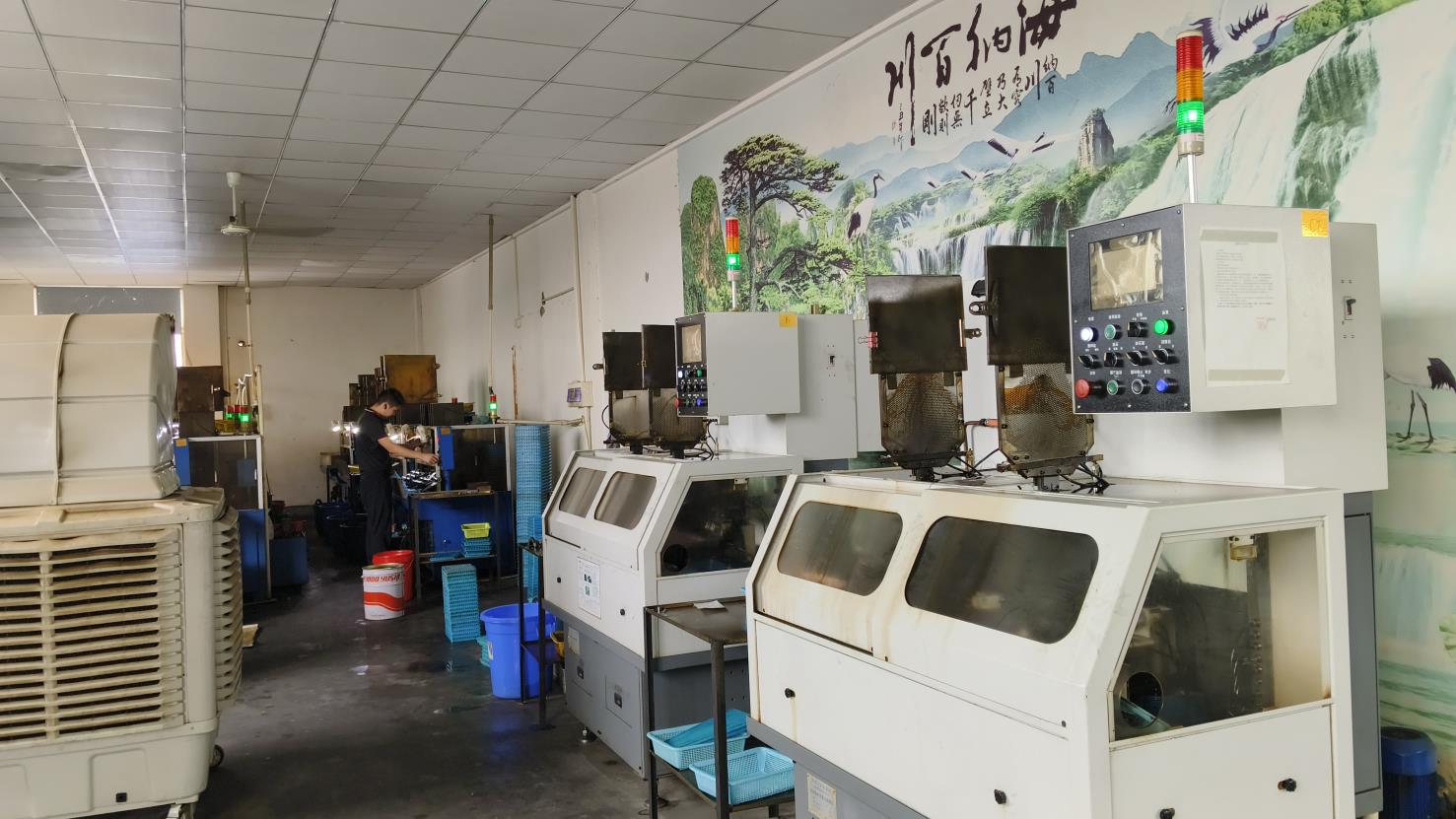
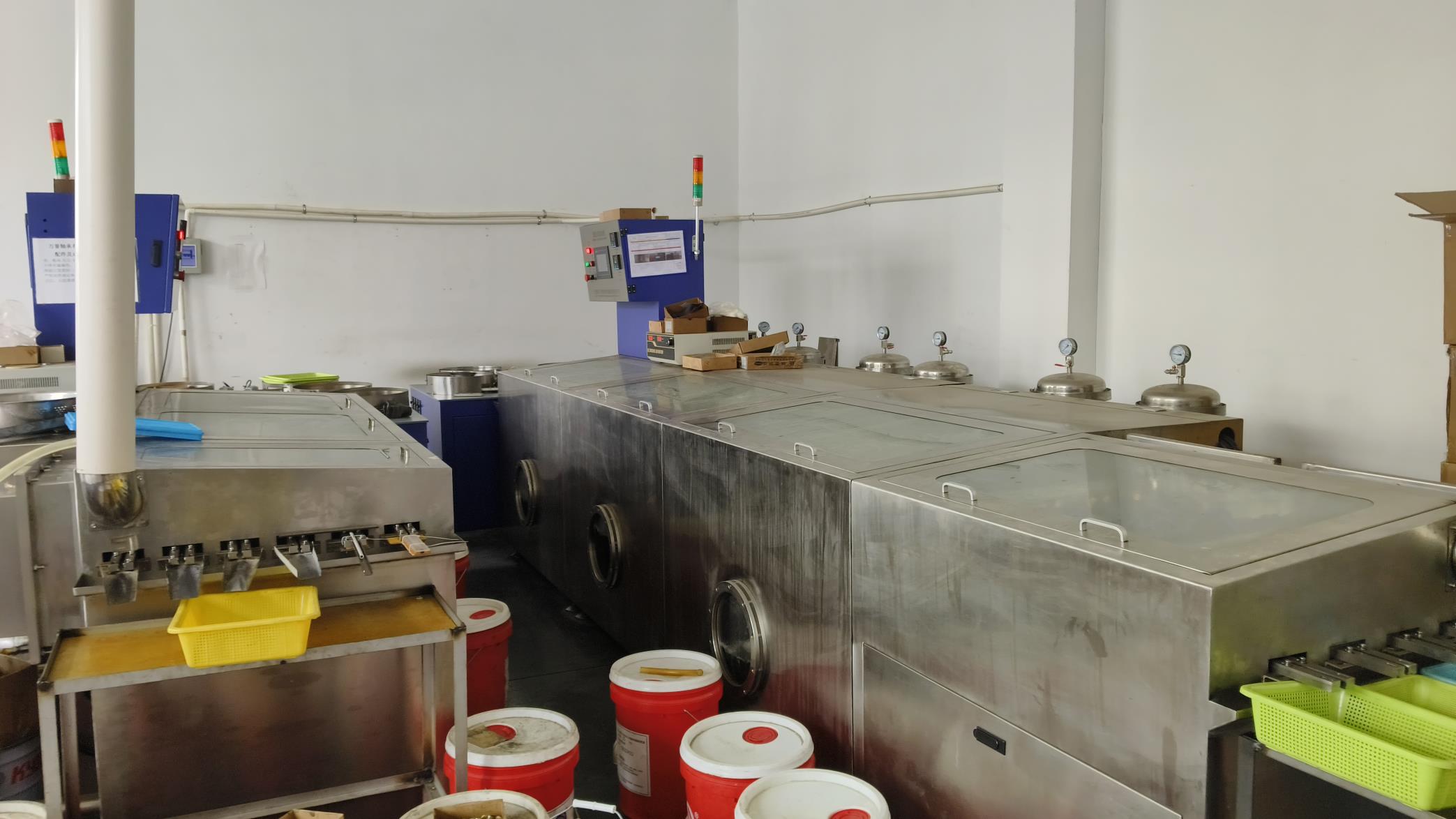
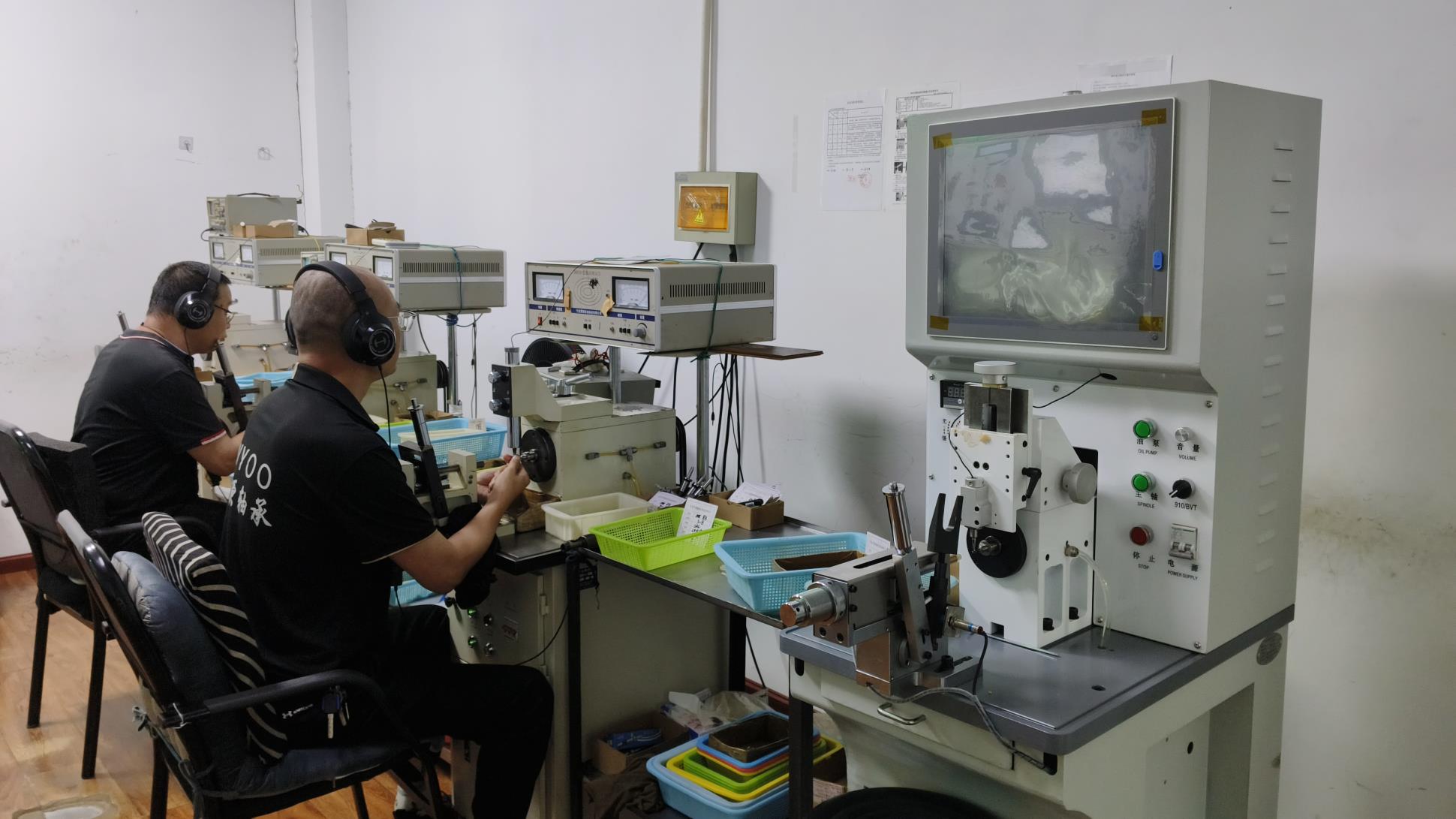
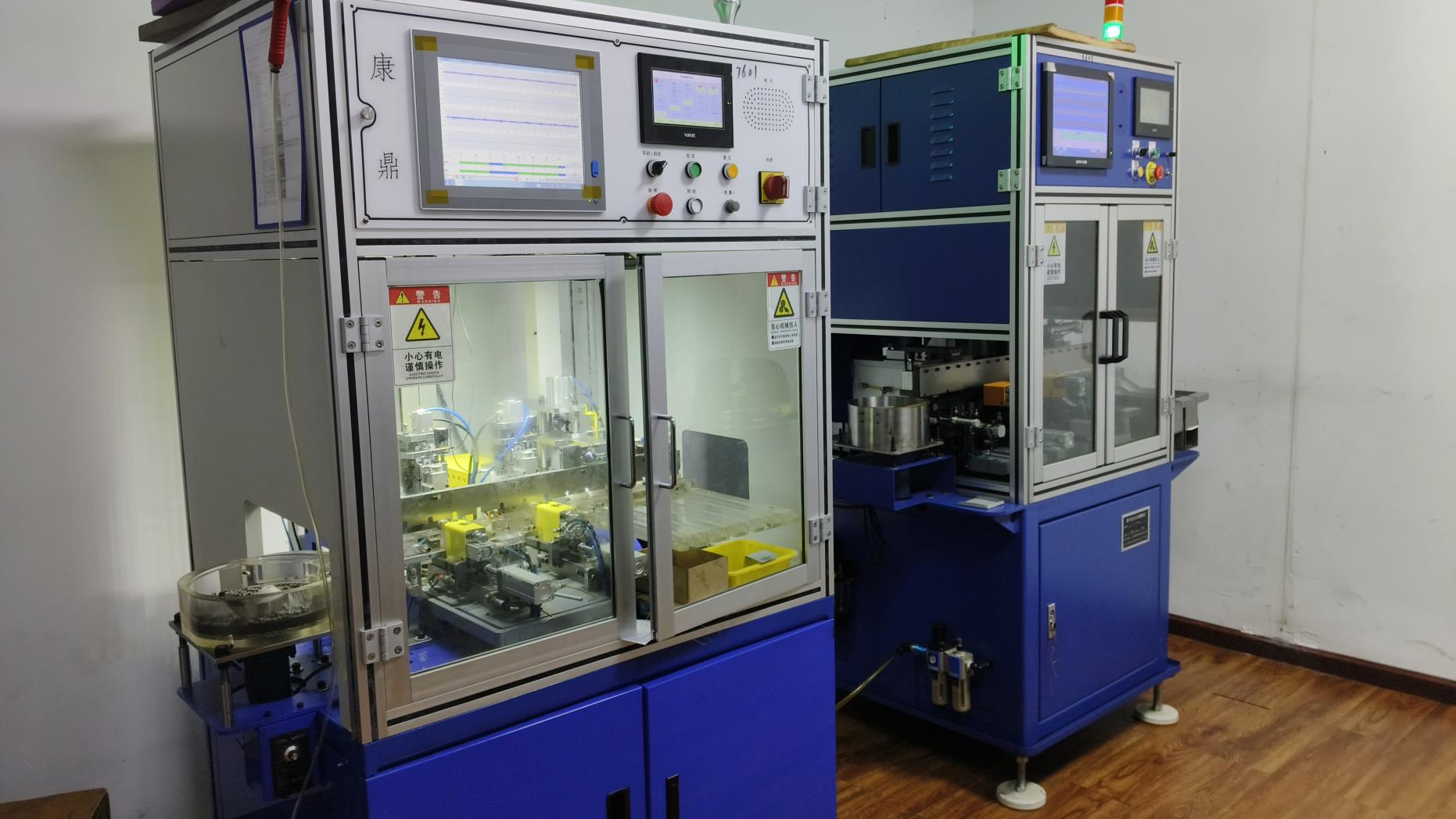
By controlling the entire process from raw metallurgical selection to ultra-precision grinding and automatic decibel testing, we guarantee that all batches destined for the US market comply with strict mechanical tolerances and operational decibel parameters.
3. Technical Overview: Material Science and Gearing Topologies
Servo motor gears are exposed to intense torsional loads, high input rotational velocities, and continuous acceleration-deceleration patterns. Deciding between engineering plastics, semi-metals, or all-metal gear architectures is a fundamental design criteria based on specific application profiles:
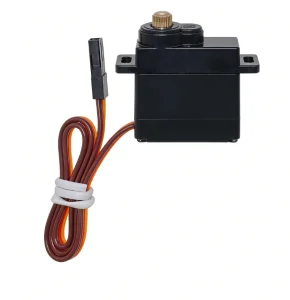
- High-Performance Engineering Plastics (XS002A Series): Utilizing specialized POM (Polyoxymethylene) and carbon-reinforced polyamides. These configurations are lightweight, silent running, and display self-lubricating characteristics. They are highly applicable for low-payload UAV actuation and educational robotics.
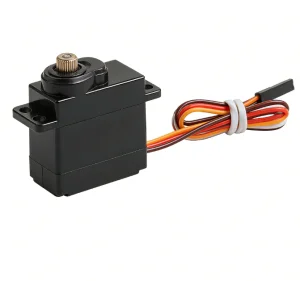
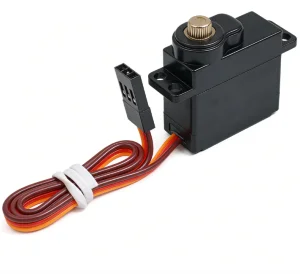
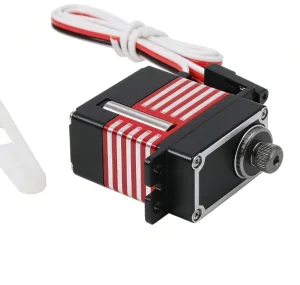
- Semi-Metal Hybrid Formations (XS007A Series): These blend metal structural load gears with polymeric input gears, yielding a balanced configuration of cost, thermal limits, noise reduction, and structural strength.
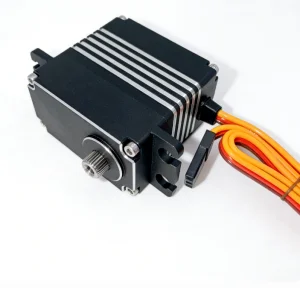
- All-Metal Core Systems (XS001A, XS005A Series): Engineered with alloy steels, brass, and hardened aluminum alloys. These components undergo ultra-precision grinding and heat treatments to guarantee maximum torque transmission and minimal wear-induced backlash over extensive run times.
| Gearing Material Type | Common Applications | Backlash Level | Noise Coefficient | Torque Capacity |
|---|---|---|---|---|
| Reinforced Plastic (POM) | RC Aircraft, GPS-enabled Toys | Moderate (< 2° arc) | Ultra-Low (< 35dB) | 0.5 - 2.5 kg.cm | Semi-Metal Hybrid | Pan-Tilt Gimbals, E-Bikes | Low (< 1° arc) | Low (< 45dB) | 15 - 35 kg.cm |
| Hardened Steel / Brass | Surgical Robotics, AMRs, UAVs | Ultra-Low (< 15 arcmin) | Standard (< 55dB) | 35 - 75+ kg.cm |

4. Strategic US Localized Application Profiles
The operational dynamics of the American manufacturing and service sectors present diverse engineering specifications for mini servo gear configurations. Key applications include:
Aerospace & Defense Gimbals
Autonomous flight structures, pan-tilt gimbal systems, and stabilized payload tracking systems require lightweight, vibration-resistant steering actuators. Using coreless high-speed motor designs paired with micro metal gearing provides critical responsiveness, minimizing latency during atmospheric turbulence or high-velocity movements.
EV Assembly Automation & AMRs
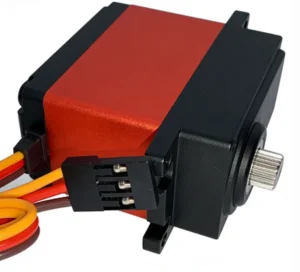
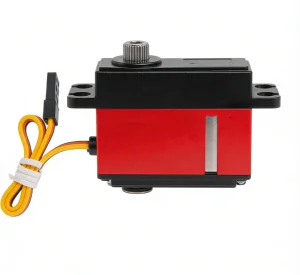
Modernized logistics structures in the US depend on fleets of Autonomous Mobile Robots (AMRs) and Automated Guided Vehicles (AGVs). These platforms operate 24/7, demanding heavy-duty gearboxes (such as the 75kg XS005A series) that can manage continuous load cycles without experiencing fatigue failures. Wear-resistant steel gears minimize structural failure, preventing operational down-time on warehouse floors.
Medical & Surgical Robotics
In surgical robotics, absolute control is critical. Micro gearboxes configured for surgical devices must exhibit extremely low backlash and function at low noise levels to avoid distracting surgical teams. Achieving this quiet operational environment requires using precision decibel diagnostics during production and utilizing ultra-precision gear profiles.
5. Advanced Technologies: Forward Outlook and Engineering Roadmap
The future of miniature motion systems is defined by advances in material science and design methodologies. The implementation of AI-optimized tooth profile design, powder metallurgy, and composite material layering allows for the reduction of the physical footprint of gearboxes while increasing torque transmission limits. Furthermore, the integration of smart sensors into industrial gear assemblies provides prognostic diagnostics, enabling remote telemetry to monitor wear status before structural failure occurs.