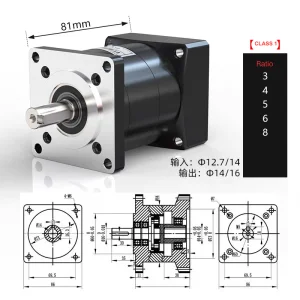
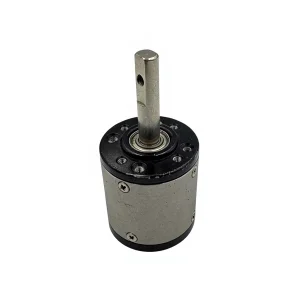
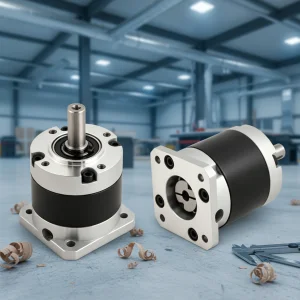
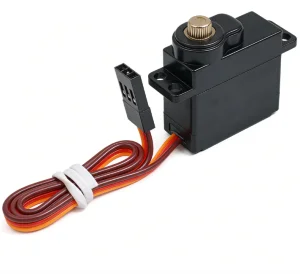
Our Featured Mechanical & Motor Drive Portfolios
Explore our premium grade micro DC motors, gearboxes, actuators, and miniature systems engineered for exact precision.
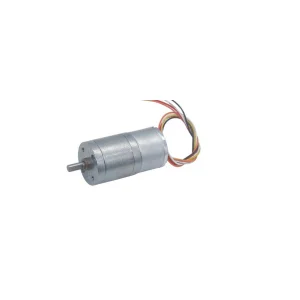
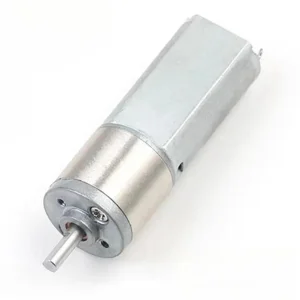
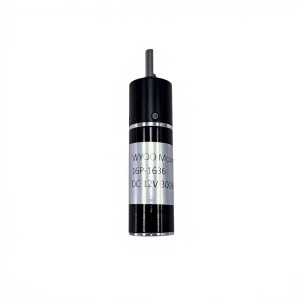
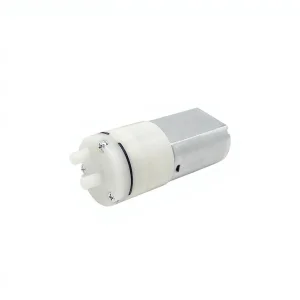
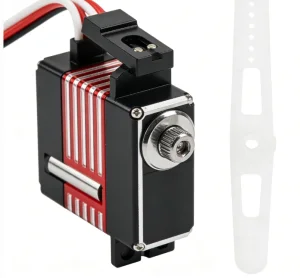
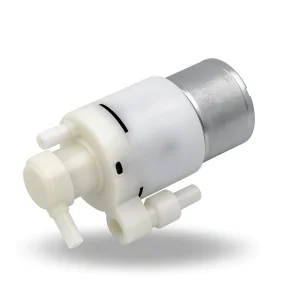
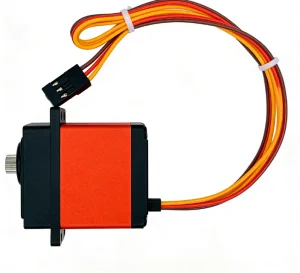

Your Trusted Direct Factory for Custom Micro DC & Gear Motors
Looking for an experienced, factory-direct partner to secure your micro motor supply chain? Dongguan AAGE Technology Co., Ltd. is your premier source. Operating from our state-of-the-art manufacturing facility in China, we eliminate the middlemen to deliver industrial-grade micro DC motors and speed reducers directly to global OEMs and distributors.
Why Global Technical Buyers Partner with AAGE Tech:
- 20+ Years of Manufacturing Expertise: Deep industry knowledge since 2006, ensuring mature manufacturing processes and stable quality.
- Rapid Prototyping & Custom Engineering: From customized voltage, speed, and torque to specialized gearbox configurations, we turn your technical blueprints into working samples quickly.
- Strict Quality & Compliance: Every single motor undergoes 100% in-house inspection, built fully compliant with international CE, RoHS, and REACH standards.
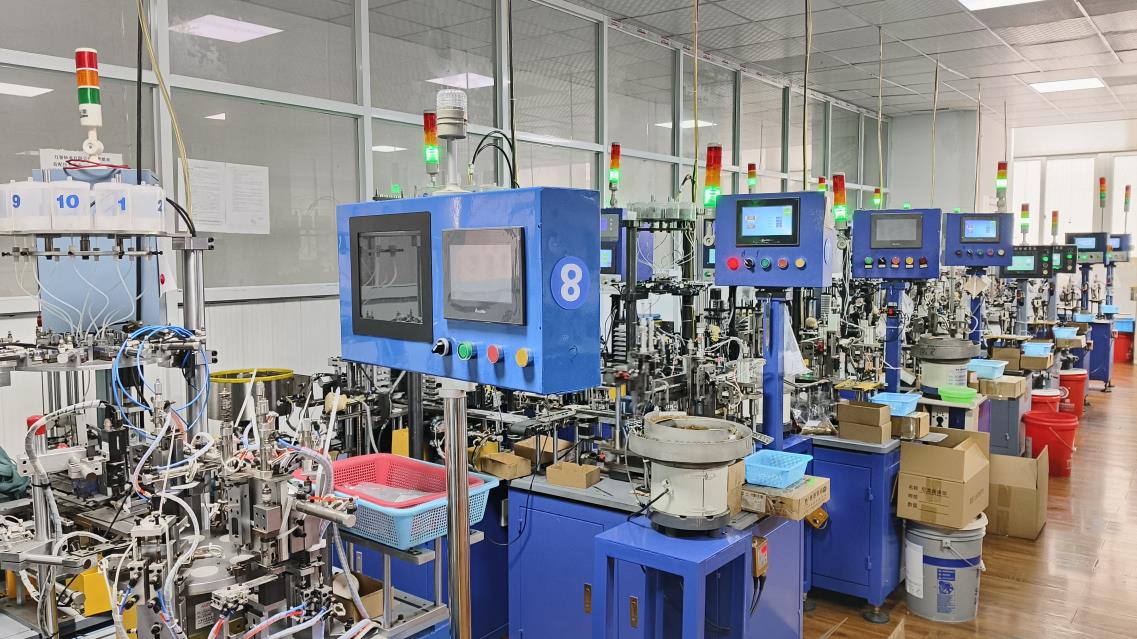
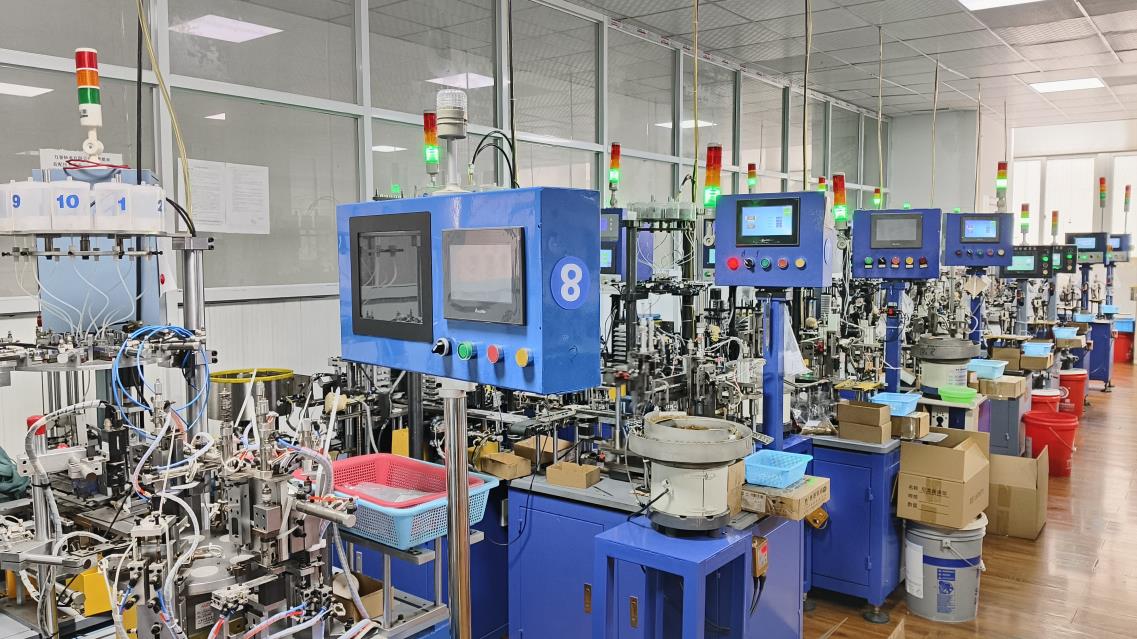
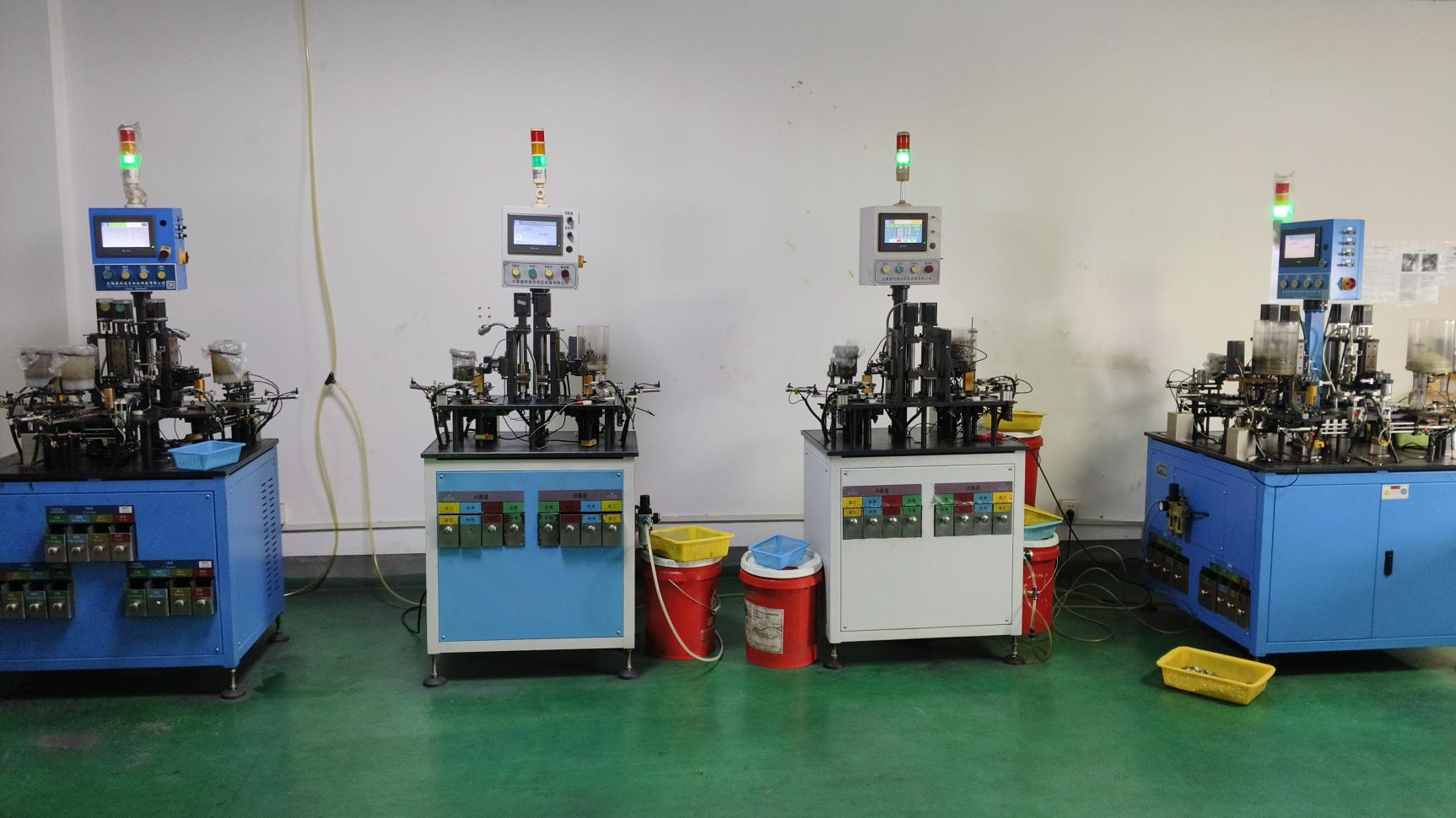
- Scalable Production Capacity: Streamlined automated assembly lines designed to handle both high-mix, low-volume requests and massive commercial production runs seamlessly.
At AAGE Tech, we don't just supply motors—we deliver the precision and reliability that keep your business moving forward. Let us optimize your next project with competitive factory pricing and world-class engineering support.
1. The Global Landscape of Linear Motion & Lead Screw Assemblies
In modern industrial design, translating rotational motion into highly controlled, precise linear movement is a critical requirement across multiple engineering domains. While ball screws are frequently highlighted for heavy-load, high-frequency industrial environments, precision lead screws remain the foundational building blocks for micro-positioning, cost-effective automation, biomedical pumps, and smart consumers' applications.
A lead screw (sometimes called a power screw or translation screw) utilizes the sliding friction between the male thread of the screw shaft and the female thread of the nut to create linear displacement. The mechanics are defined by structural simplicity, offering non-backdriving capabilities (depending on lead angle), smooth silent operation, and exceptional space saving. This makes them highly competitive in high-accuracy miniature systems.
| Linear System Attribute | Precision Lead Screws (Acme/Trapezoidal) | Standard Ball Screws | Linear Belt Drives |
|---|---|---|---|
| Mechanical Friction Type | Sliding Friction (Quiet, dampens vibrations) | Rolling Friction (Higher efficiency, louder) | Tension/Shear Friction (Low-load speed) |
| Positional Repeatability | Up to ±0.005 mm (Anti-backlash design) | Up to ±0.002 mm | ±0.1 mm |
| Backlash Performance | Negligible with spring-loaded POM nuts | Virtually zero (Preloaded nuts) | High risk of tension stretch |
| Cost & Integration Efficiency | Excellent (Highly customizable, cost-effective) | High cost (Needs precise housing alignment) | Medium cost (Saves space, low rigidity) |
As global industries demand smaller, smarter, and cleaner machinery, the integration of lead screws with miniature DC gear motors and custom-machined planetary gearboxes has expanded. By sourcing integrated lead-screw-actuator assemblies directly from precision Chinese factories, global engineering firms reduce component complexity, minimize tolerance stackups, and drastically streamline assembly steps.
2. China's Precision Manufacturing & Quality Control Systems
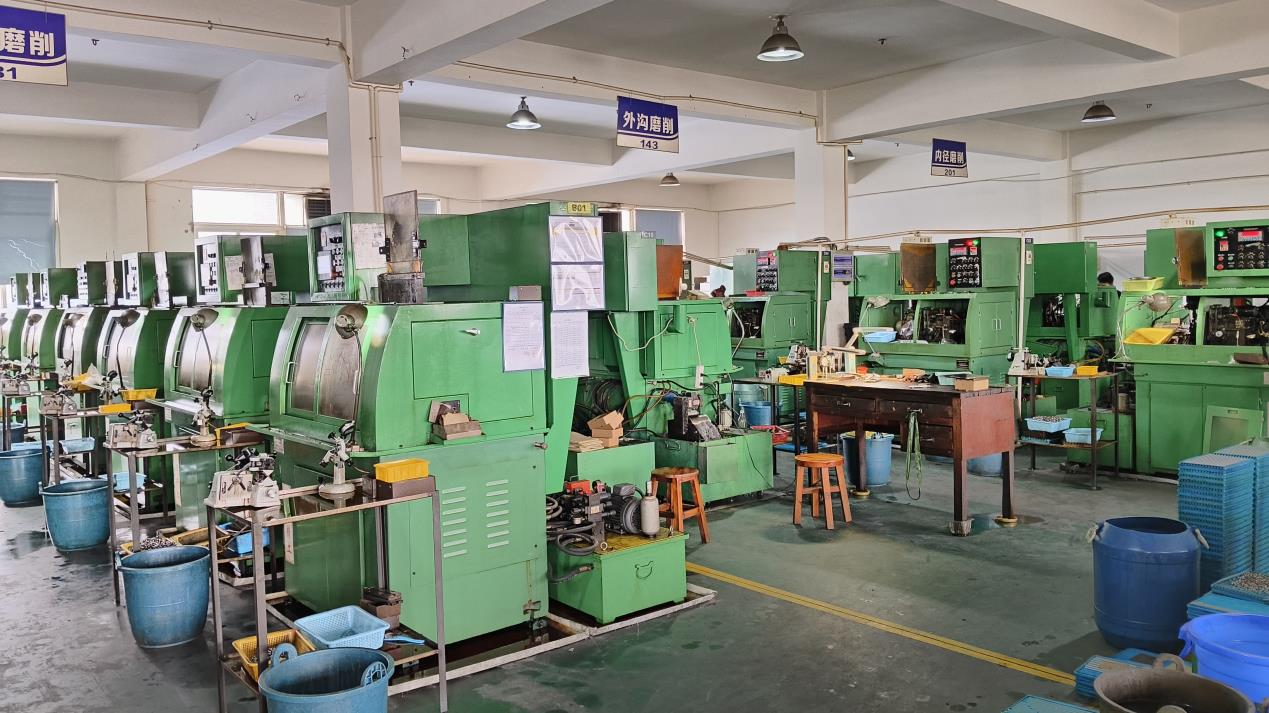
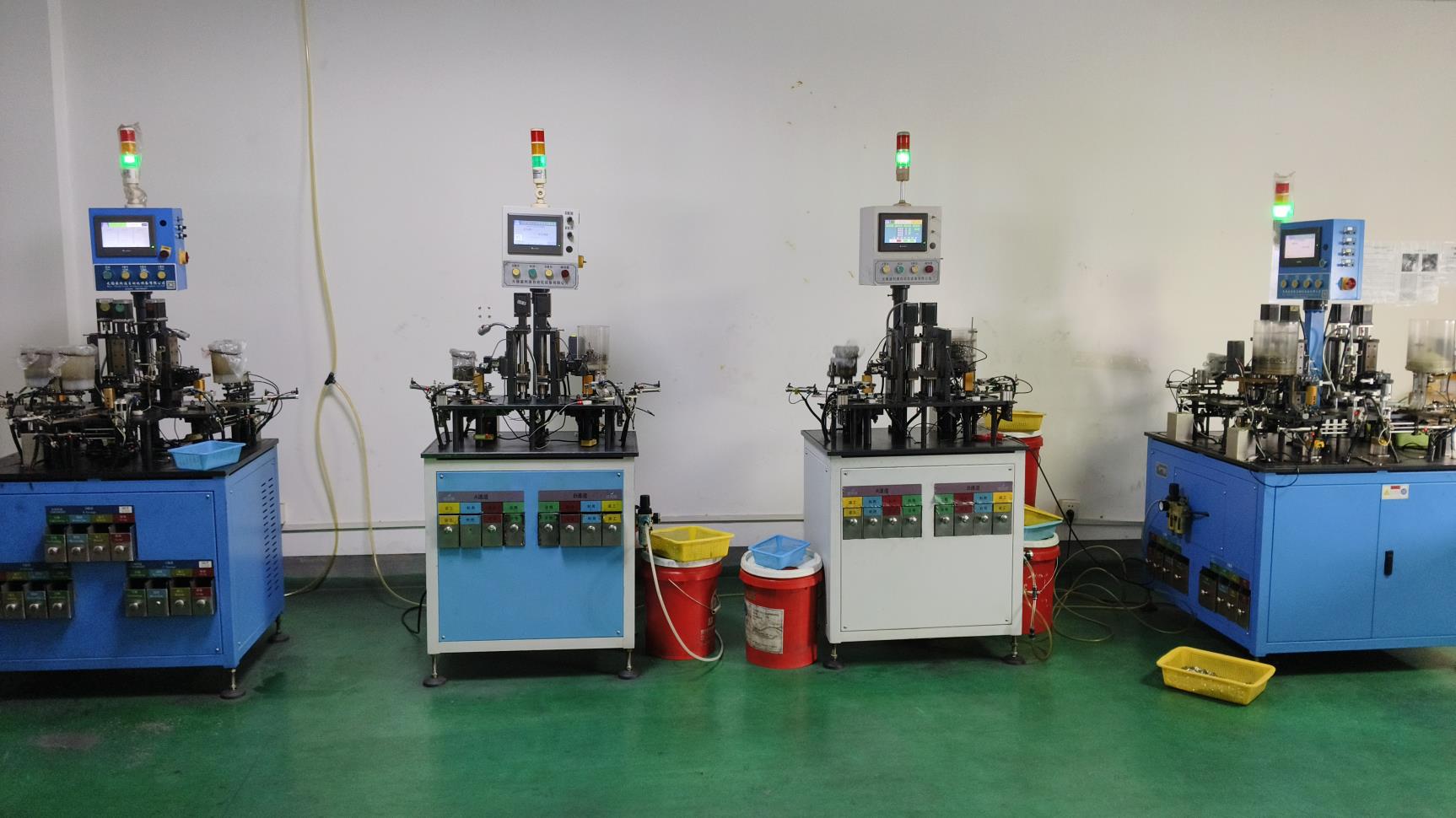
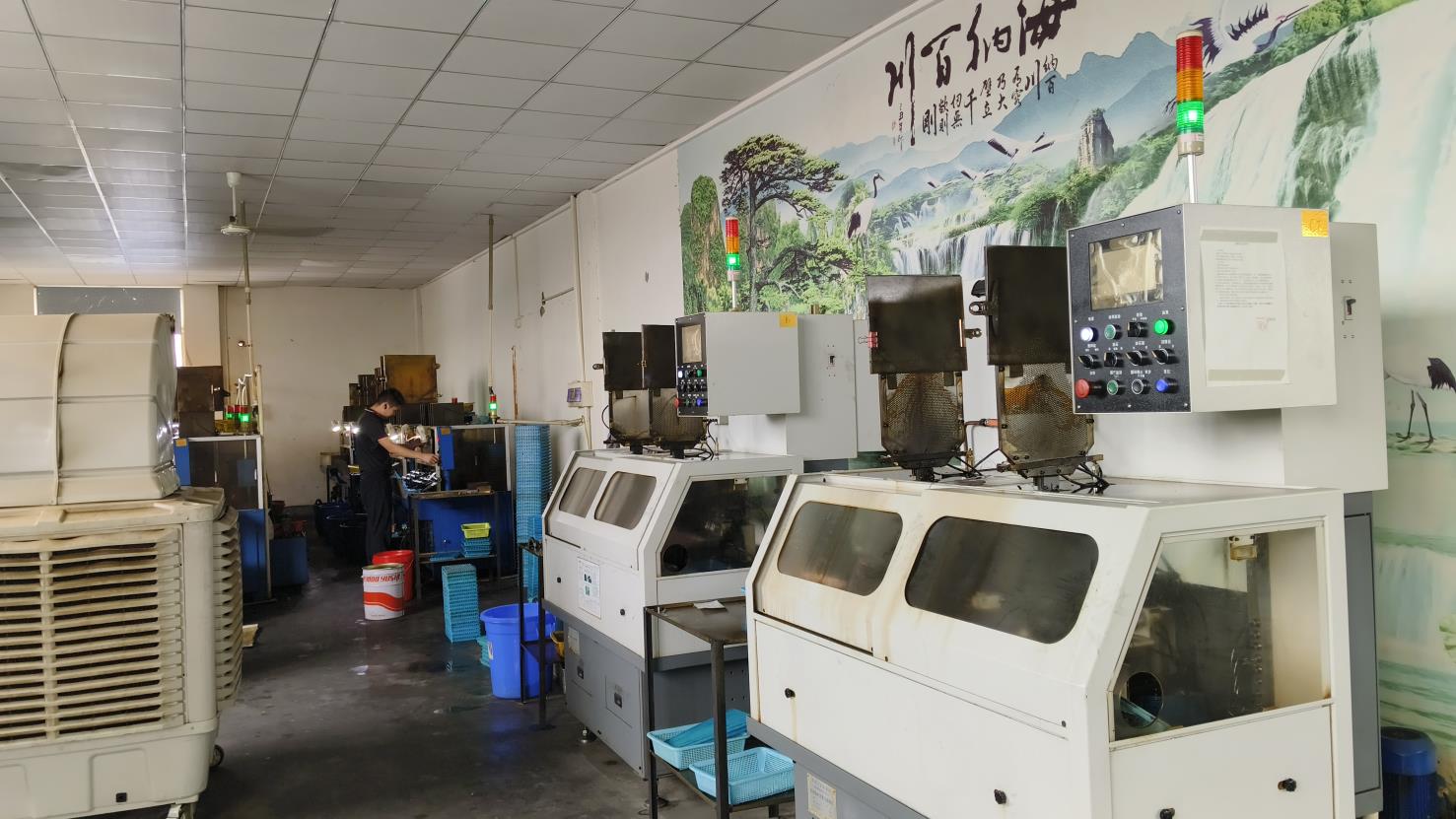
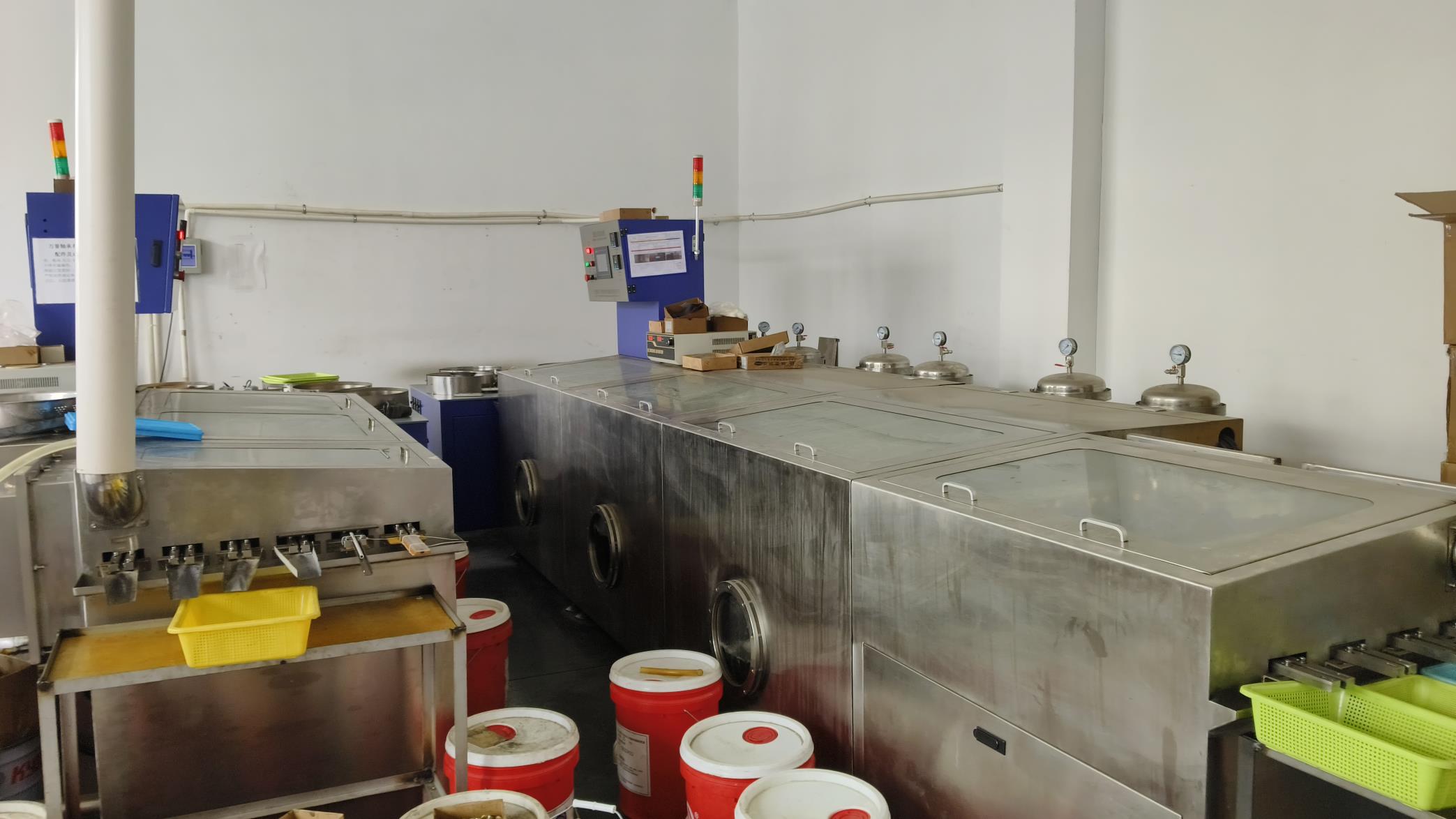
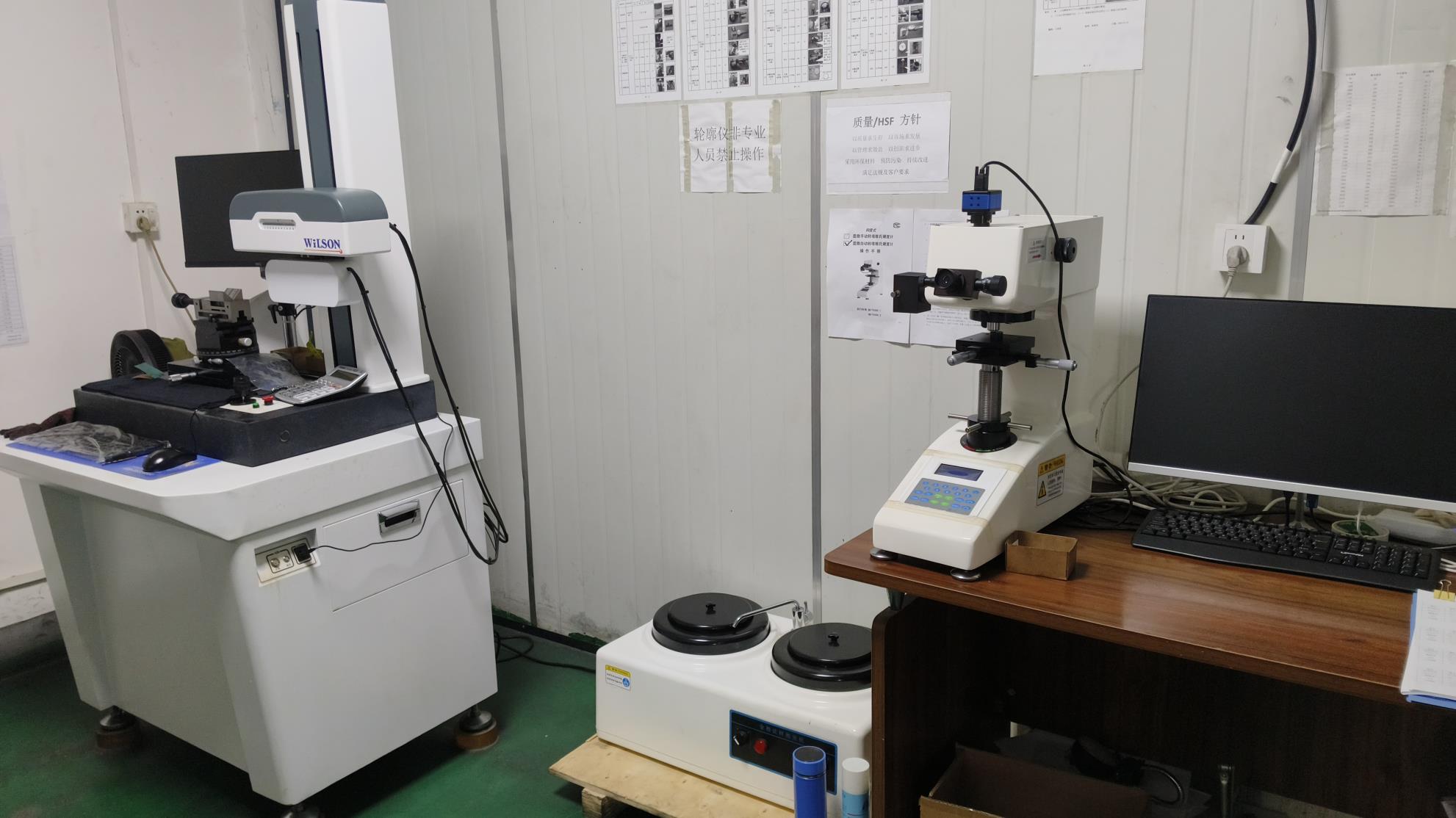
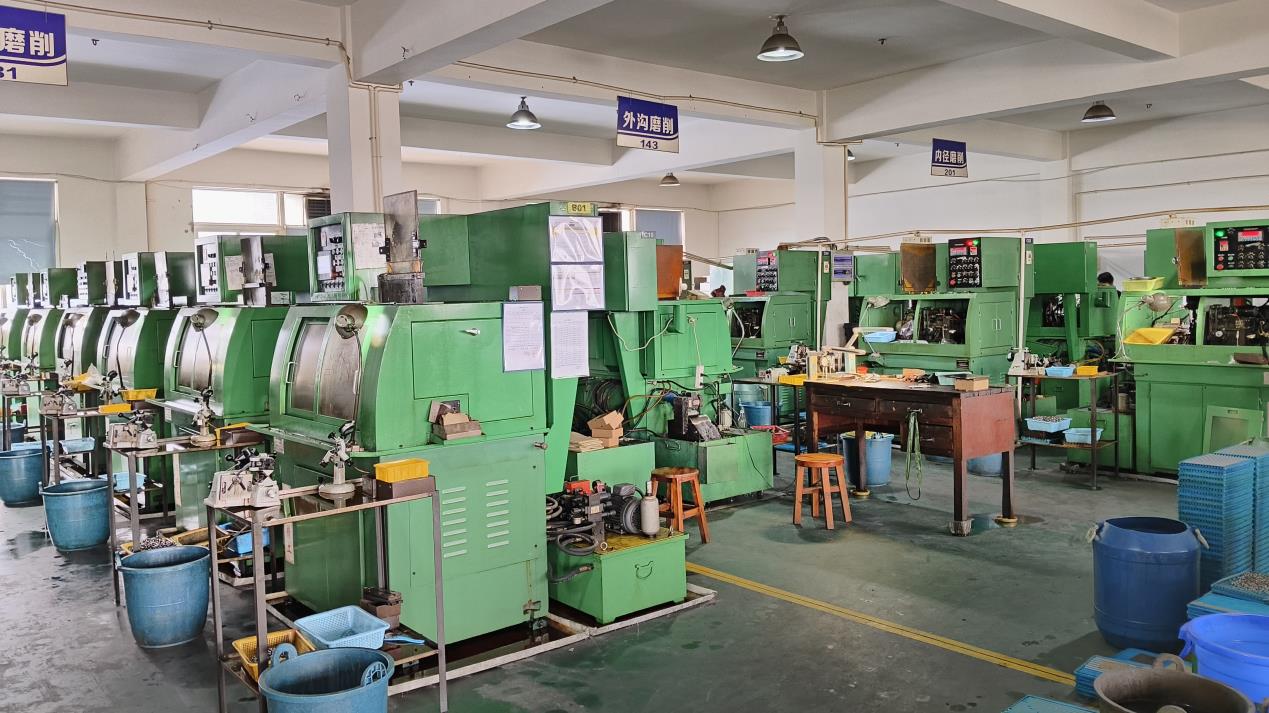
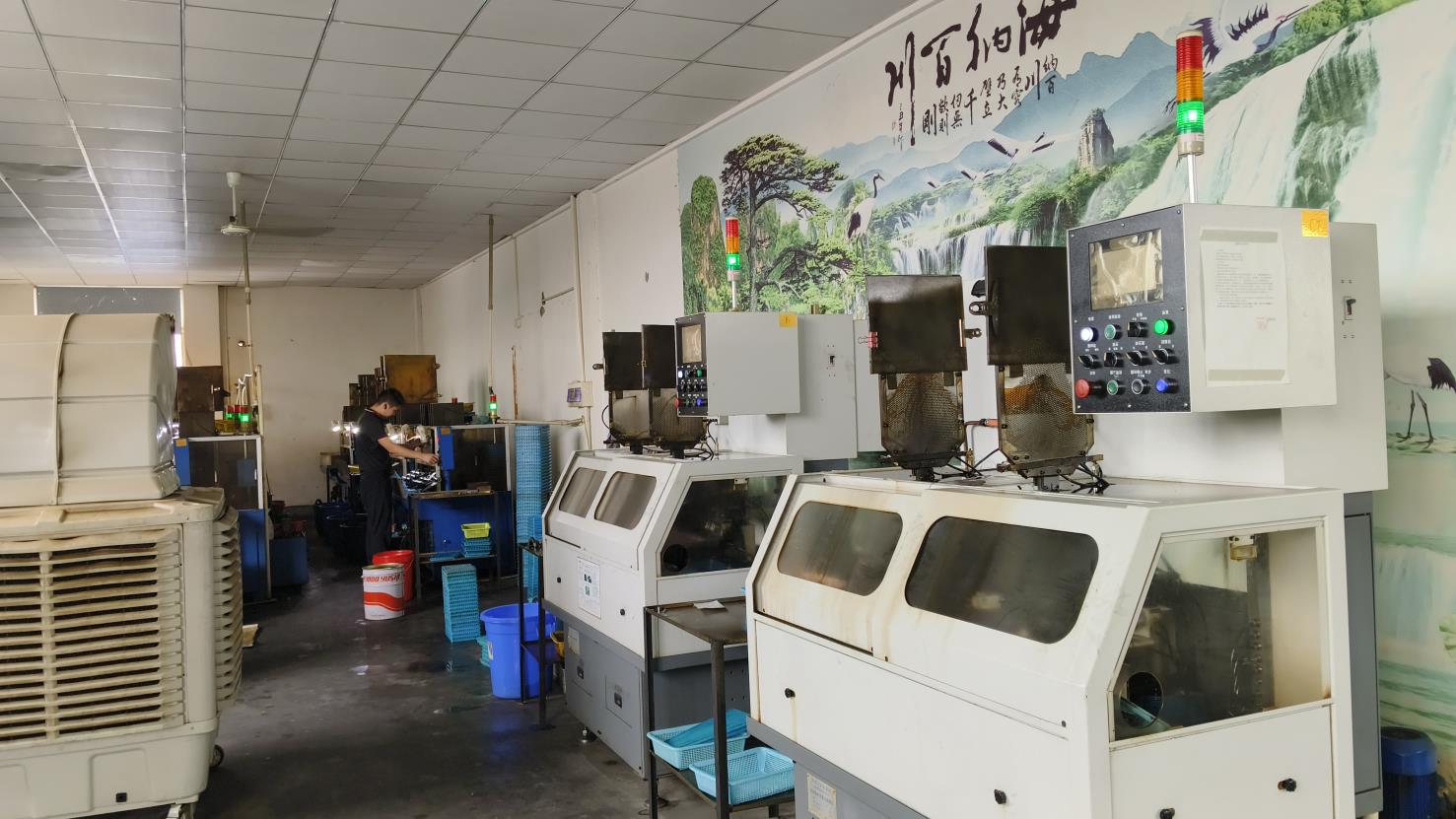
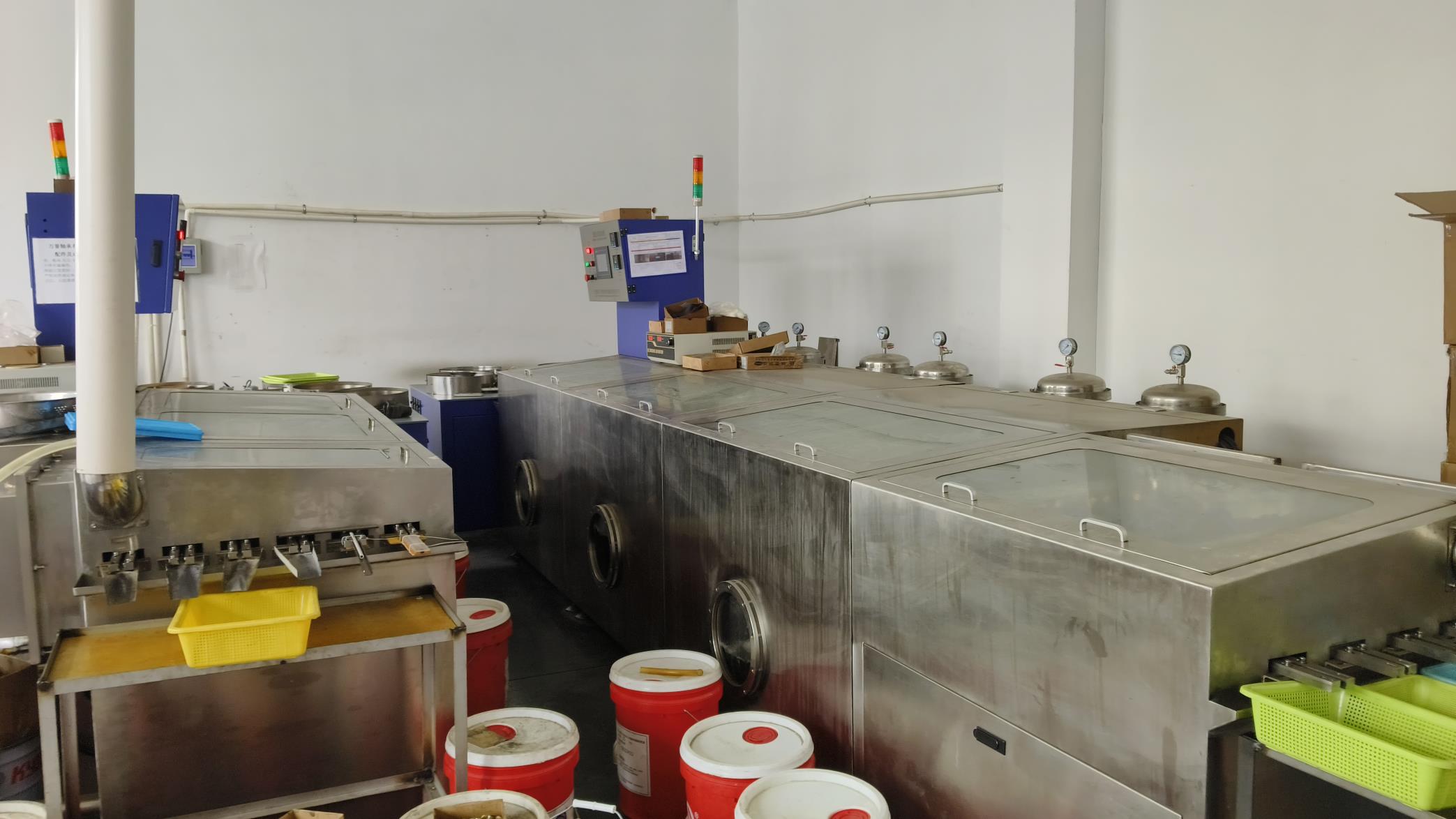
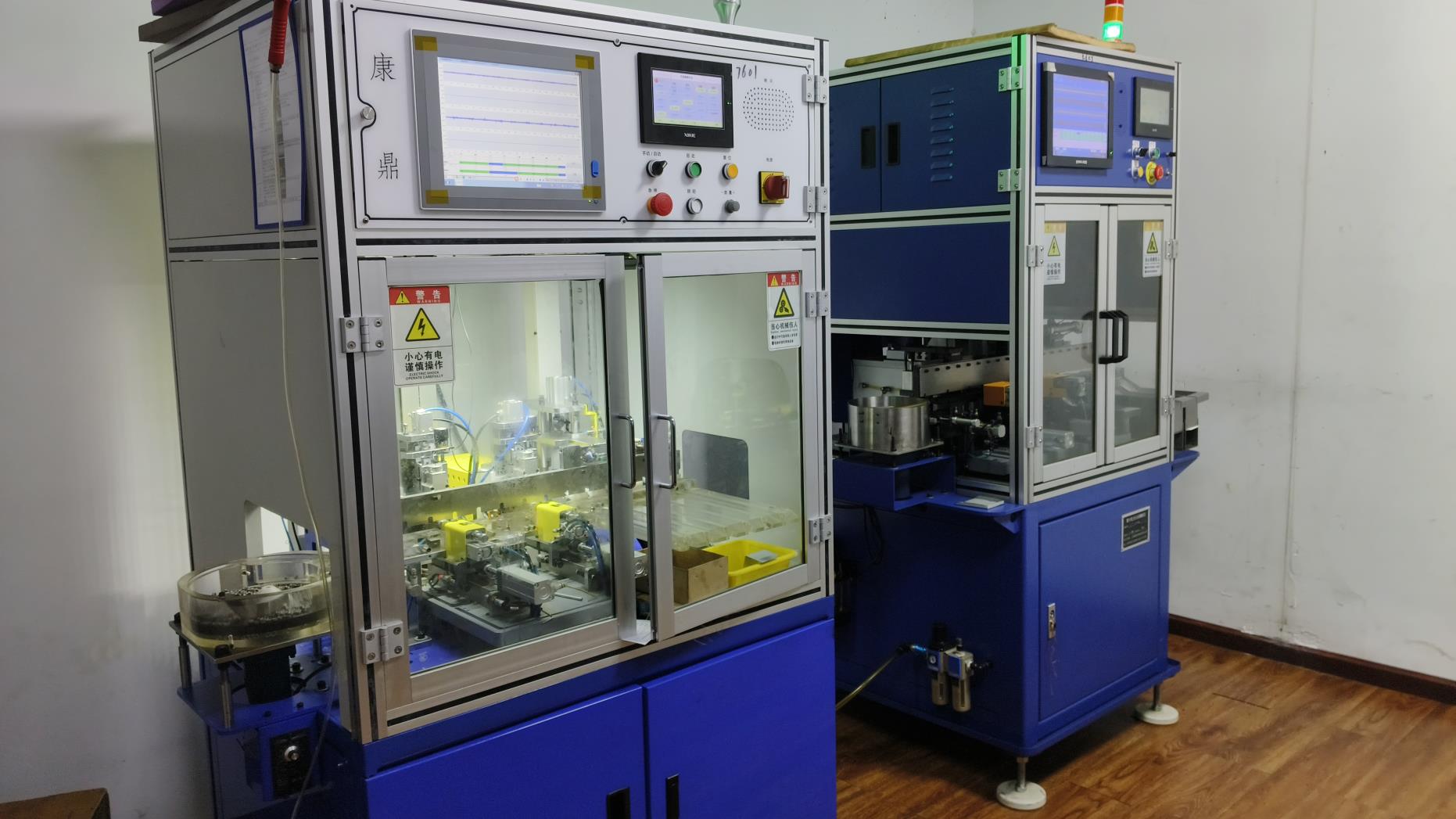
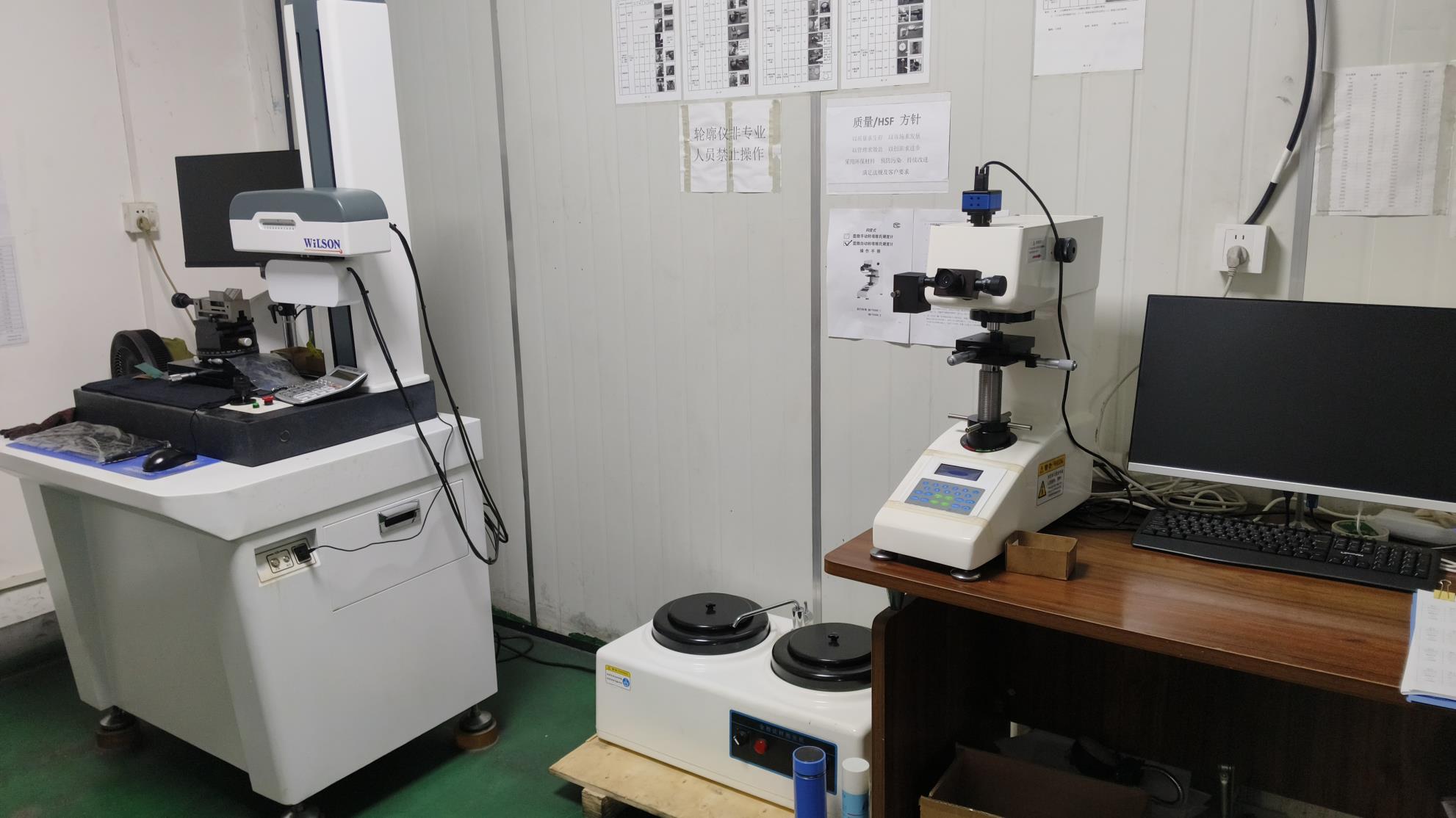
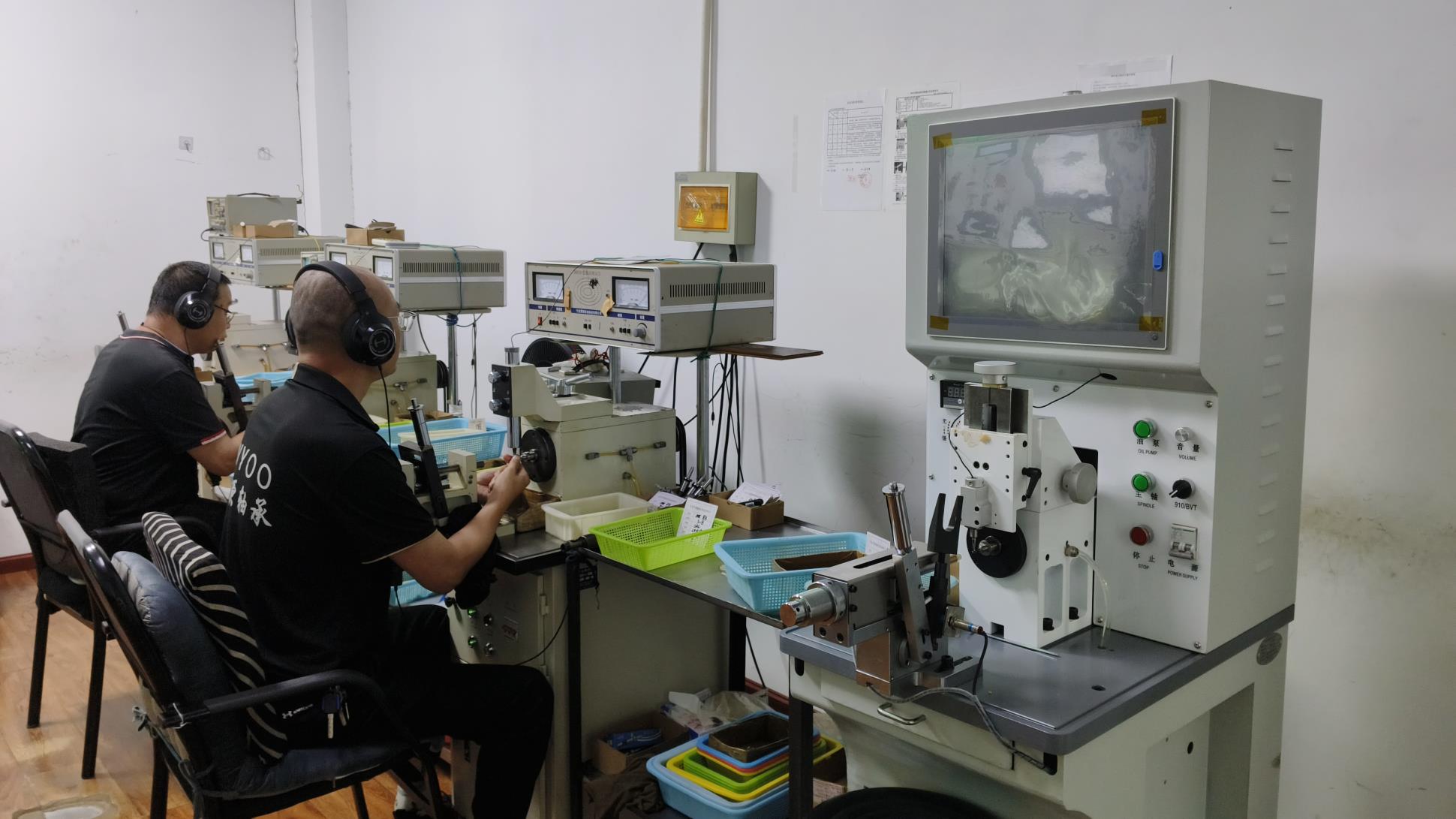
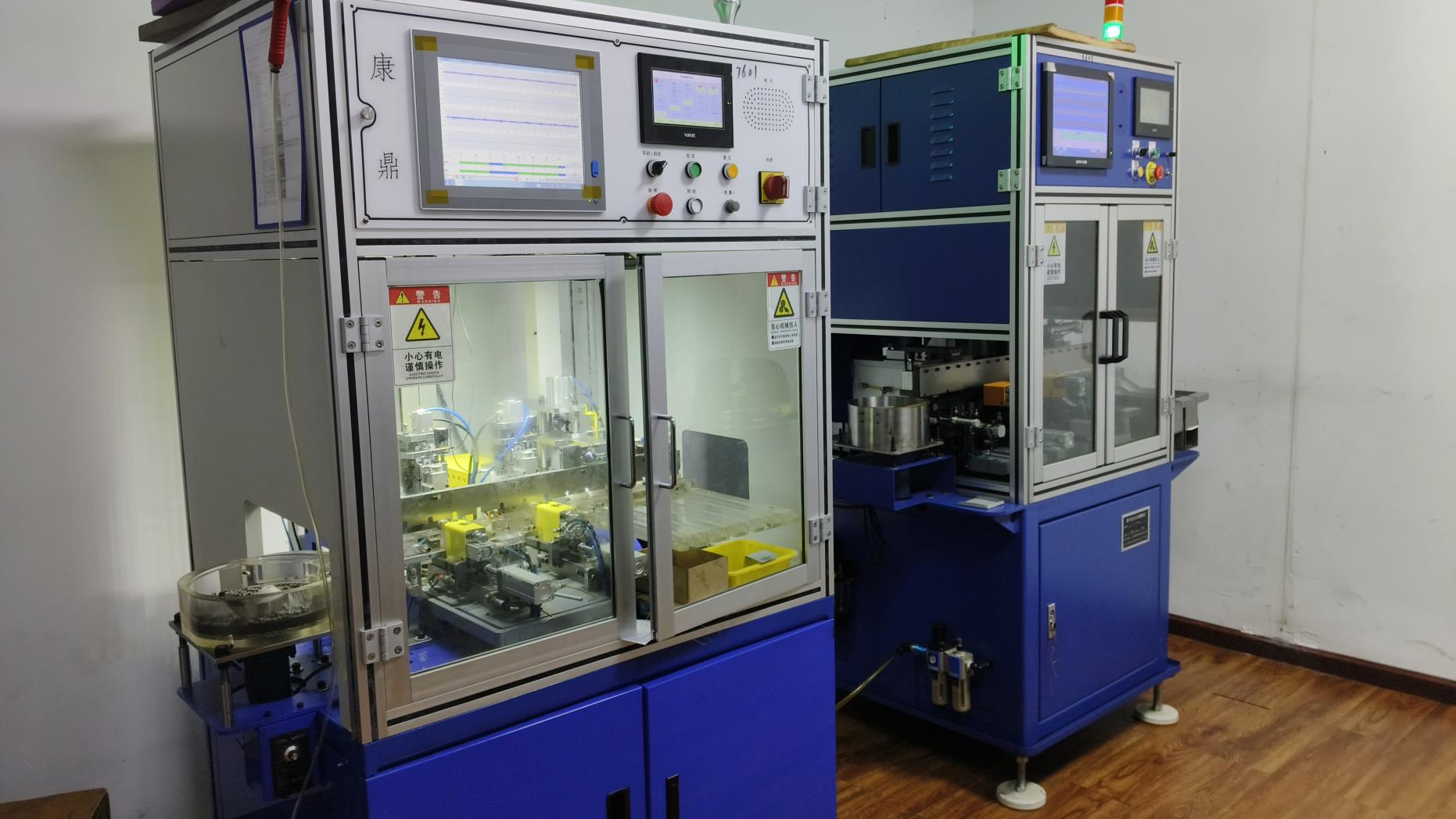
Our Dongguan facilities integrate raw material processing, ultra-precision grinding, automated micro-assembly, and acoustic/electrical testing to secure consistent component tolerances.
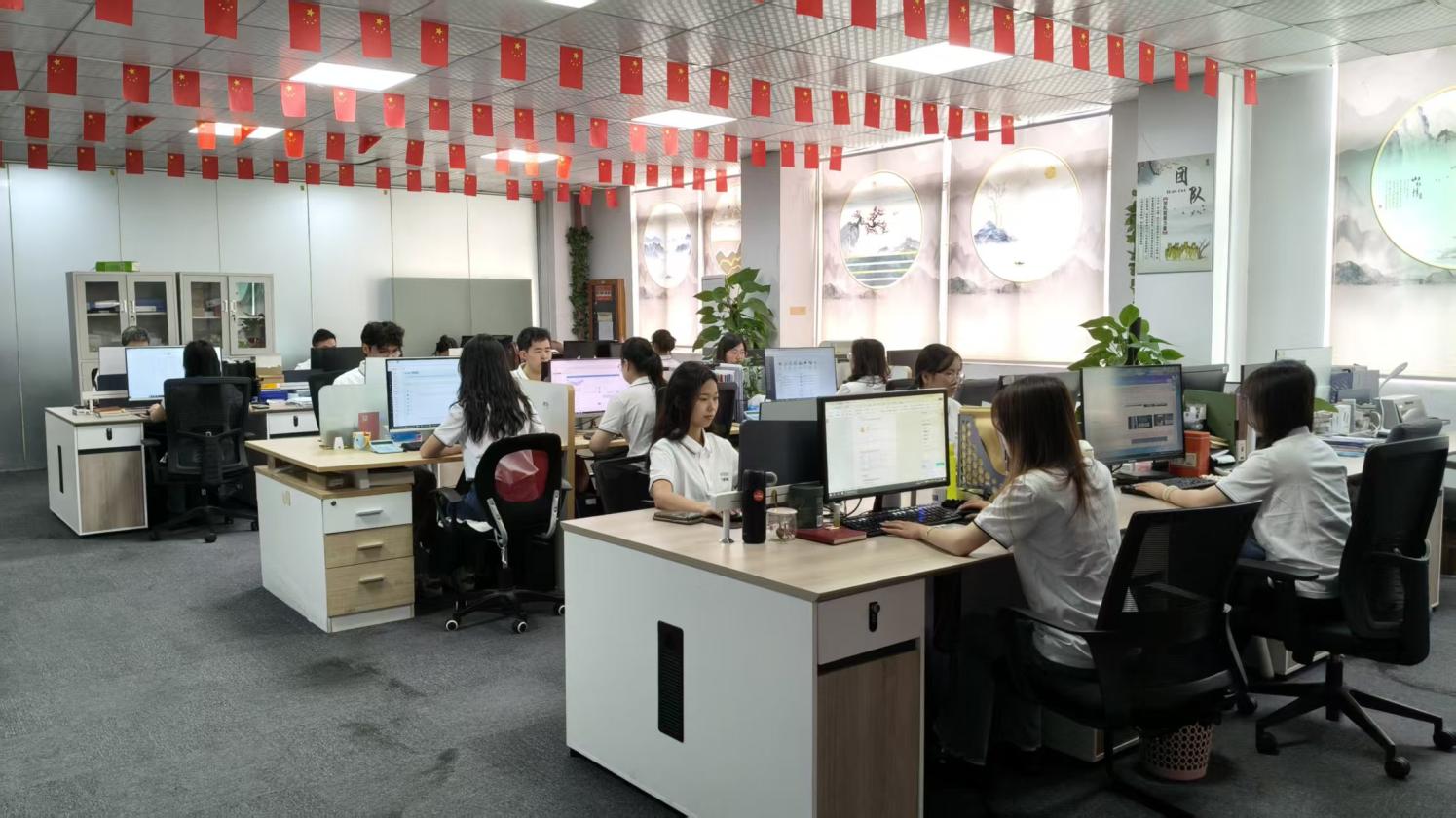
Why Sourcing Directly from Dongguan Factory Safeguards Quality
Precision is not merely about having state-of-the-art machinery. It is about a consistent, closed-loop workflow. By utilizing Ultra Precision Grinding Machines, we control the pitch tolerances of our lead screw shafts and linear drive shafts within extremely tight margins, preventing mechanical binding and extending system lifespan.
Our integration of testing steps like Aperture Detector Testing, Parameter Tester Testing, and Automatic Decibel Detection ensures that every unit matches the noise limits required by medical pumps, high-end consumer appliances, and aerospace robotics. By removing distributors and trading companies, we give you direct oversight of raw material certification, manufacturing stages, and final functional quality tests.
3. Mechanical Engineering of Integrated Micro Motor & Lead Screw Drives
To successfully combine a micro DC motor (such as brushed, brushless, or stepper variants) with a lead screw, design engineers must calculate key physical parameters. A failure to balance these factors can result in premature wear, low efficiency, or failure of the positioning system.
Understanding Lead, Pitch, and Mechanical Advantage
When selecting or specifying custom lead screws, the distinction between Pitch and Lead is essential:
- Pitch: The axial distance between adjacent thread crests.
- Lead: The linear distance the lead nut travels during one complete 360-degree rotation of the screw. On a single-start lead screw, Pitch and Lead are identical. On multi-start screws, Lead equals the Pitch multiplied by the number of thread starts.
High-lead screws provide rapid linear travel but require higher torque from the DC micro motor and will likely backdrive under vertical loads. Low-lead (fine pitch) screws deliver exceptional positioning resolution, high mechanical advantage, and self-locking characteristics, making them suitable for vertical axes or setups where safety dictates holding a position when the motor loses power.
Material Optimization for Minimum Wear and Maximum Lubrication
To combat sliding friction, we analyze material combinations to fit the target environment:
- Stainless Steel Shafts (SUS303, SUS304, SUS316): Deliver corrosion resistance, structural rigidity, and smooth surface finishes suitable for cleanrooms and clinical use.
- Bronze Lead Nuts: Excel in high-load, continuous-duty applications where adequate lubrication is maintained.
- Engineering Polymers (POM, PEEK, PTFE-filled): Excellent for dry-running systems, cleanrooms, and medical devices. They offer low coefficients of sliding friction, eliminate liquid lubricant contamination, and reduce system noise.
4. High-Precision Localized Applications Across Global Tech Sectors
From automated medical testing equipment to high-durability robotics, AAGE Tech solutions drive critical functions in leading industries.
Automated Smart Retailing & Vending Systems
Utilizes high-torque micro gear motors (like our 25A-2418) for reliable dispensing operations. Compact, low-speed motor drives ensure smooth actuation across hundreds of thousands of cycles without maintenance.
Medical Pumps & Fluid Diagnostics
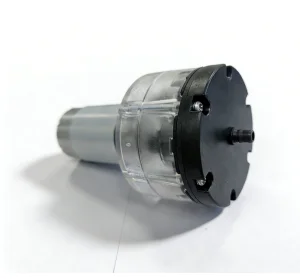
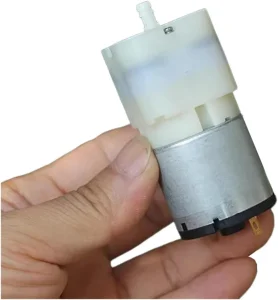
Direct diaphragm micro vacuum pumps and high-pressure fluid systems drive precision analyzers, personal aesthetic equipment, and point-of-care diagnostics where clean, quiet operation is paramount.
Robotic Actuators & Metal Digital Servos
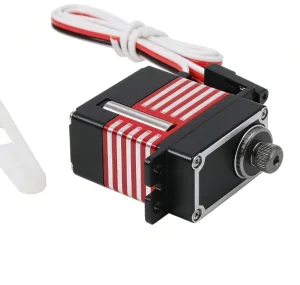
Our XS001A and XS007A servos provide steering, tilt, and joint actuation for RC scale models, UAVs, and robotic grippers requiring high holding torque and robust gears.
5. Key Development Trends in Miniature Linear Actuation
The global positioning and actuation market is transitioning away from bulky, multi-component assemblies. Product design engineers are shifting toward integrated, smart linear actuators. Below are the trends shaping the industry:
A. Mechatronic Integration (Direct Drive Actuators)
Rather than connecting a separate lead screw to a motor shaft using elastic couplings or external adapters, modern designs embed the lead screw directly into the motor's rotor. This "captive" or "non-captive" stepper/DC motor architecture eliminates coupling play, saves axial space, and reduces weight, which is essential for medical and aerospace designs.
B. Smart Closed-Loop Feedback
The demand for high-reliability systems requires immediate feedback on nut position and load. Integrating magnetic encoders, optical sensors, or hall effect sensors directly onto the motor's back cover allows controllers to detect stalling, mechanical wear, and track positioning to within microns.
C. Advanced Low-Friction Polymer Development
Traditional lubricants attract dust and dry out over time, leading to mechanical wear. Advanced engineered polymers like PTFE-lubricated POM or carbon-fiber-filled PEEK now allow lead screws to run dry for millions of cycles without degradation, expanding their use in food processing, clinical diagnostics, and cleanrooms.
6. Procurement Strategies: Navigating the Supply Chain with AAGE Tech
Purchasing components for global distribution requires a focus on supply chain resilience, total cost of ownership (TCO), and engineering support. At Dongguan AAGE Technology Co., Ltd., we design our procurement, engineering, and quality workflows around these business requirements.
Direct Factory Pricing vs. Distributors
By eliminating intermediate brokers, trading houses, and regional importers, we pass cost savings directly to your margins. Our direct communication channels prevent specifications from being miscommunicated during the transition from drawing to physical production.
Custom Prototyping & High-Mix Low-Volume Scaling
We recognize that system development is an iterative process. Our tooling setup and machining workshops are structured to deliver customized prototype samples rapidly, with the ability to scale up to automated mass production when your design is validated.
7. Technical FAQs: Lead Screws & Micro Drive Engineering
Answers to key technical questions faced by engineers, designers, and procurement managers when sourcing motion systems.
What is the difference between a lead screw and a ball screw?
A lead screw relies on sliding friction between the screw and the nut, providing quiet operation, lower cost, and high self-locking capability. A ball screw uses recirculating ball bearings to convert sliding friction into rolling friction, offering higher mechanical efficiency (90%+) and load capacity, but at a higher cost and noise level.
How does AAGE Tech control backdriving in vertical assemblies?
Backdriving occurs when a axial load pushes the nut and rotates the screw. By engineering lead screws with smaller lead angles (typically below 5 degrees), the sliding friction exceeds the rotational force, making the system self-locking. This prevents loads from dropping during sudden power cuts.
What customization options are available for micro DC gear motors?
We offer customization across all electrical and mechanical specifications, including rated operating voltages (3V, 6V, 12V, 24V), gear reduction ratios, custom output shaft dimensions (D-cut, cross-drilled, threaded), integrated encoders, cabling harnesses, and connector terminations.
What quality control protocols are implemented at your facility?
We maintain a strict quality assurance system. Every unit undergoes dimensional validation (using Aperture Detectors), functional performance checks (using Parameter Testers), and noise emission tests (using Decibel Detectors). All raw materials are traceably certified compliant with CE, RoHS, and REACH standards.
How do self-lubricating polymer nuts reduce system maintenance?
Polymer nuts (like POM or PEEK) contain embedded dry lubricants that migrate to the interface during operation. This eliminates the need for external grease or oil, preventing the buildup of abrasive contaminants, reducing friction, and ensuring cleanroom-compatible operation.
What is the standard lead time for custom prototype samples?
For modifications to existing motor designs or standard lead screws, prototype samples are typically delivered within 7 to 15 days. Full custom ground-up designs requiring dedicated tooling or specialized gears are completed in 3 to 4 weeks, depending on component complexity.
Explore Our Full Range of Actuators & Control Drives
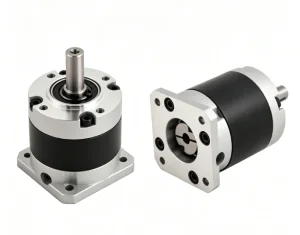
High-quality digital servos, planetary reducers, miniature vacuum pumps, and custom gears to optimize your motion design.