Precision Gearing & Micro Drive Components
Premium OEM engineered drive components and custom motor packages designed for critical operational environments.
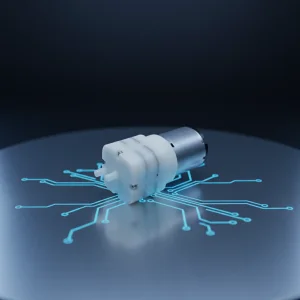
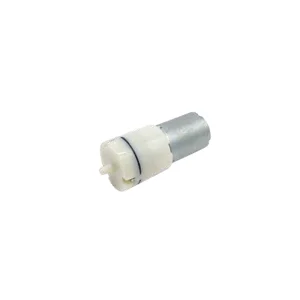
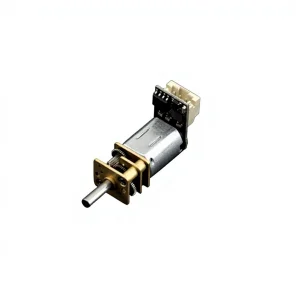
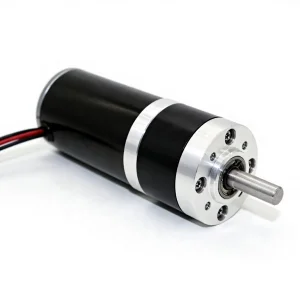
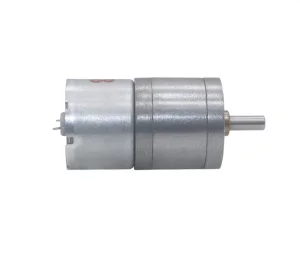
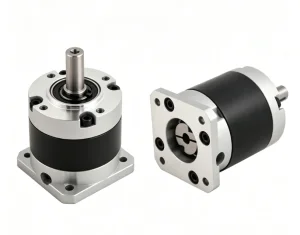
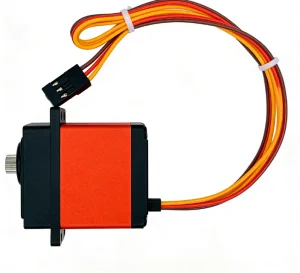
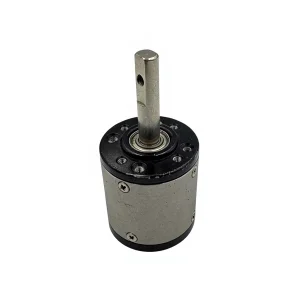
Your Trusted Direct Factory for Custom Micro DC & Gear Motors
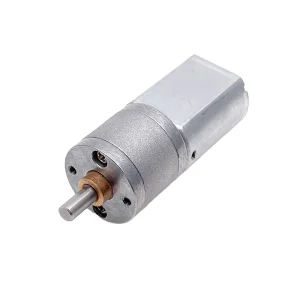
Looking for an experienced, factory-direct partner to secure your micro motor and high-performance torque coupling supply chain? Dongguan AAGE Technology Co., Ltd. is your premier source. Operating from our state-of-the-art manufacturing facility in China, we eliminate the middlemen to deliver industrial-grade micro DC motors, speed reducers, and high-precision transmission gearing assemblies directly to global OEMs and distributors.
In modern electromechanical systems, the interfaces between motor outputs and high-torque mechanical loads rely on state-of-the-art power coupling. Our engineering capabilities bridge the gap between high-speed micro-electrics and high-impact structural output.
Why Global Technical Buyers Partner with AAGE Tech:
- 20+ Years of Manufacturing Expertise: Deep industry knowledge since 2006, ensuring mature manufacturing processes and stable quality control parameters.
- Rapid Prototyping & Custom Engineering: From customized voltage, speed, and torque to specialized gearbox configurations and bespoke gear coupling interfaces.
- Strict Quality & Compliance: Every single motor and gearbox assembly undergoes 100% in-house testing, built fully compliant with international CE, RoHS, and REACH standards.
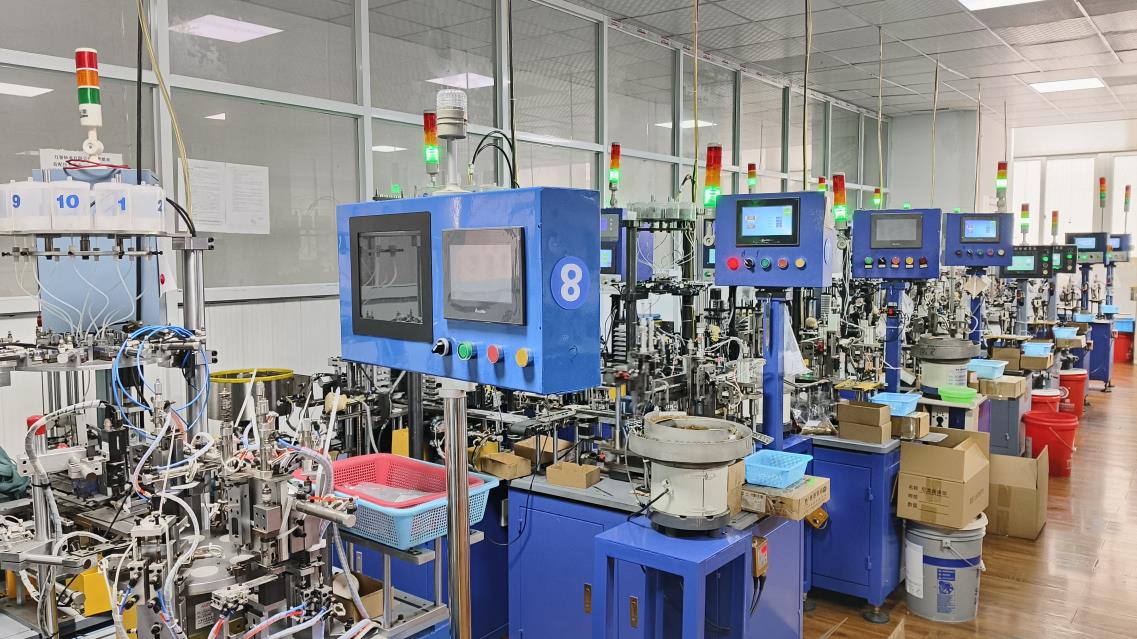
- Scalable Production Capacity: Streamlined automated assembly lines designed to handle both high-mix, low-volume requests and massive commercial production runs seamlessly.
Global Commercial & Industrial Status of Precision Gear Coupling Systems
A deep technical analysis of modern mechanical power transmission, industrial alignment interfaces, and spatial constraints.
Macro Market Dynamics
The global market for gear couplings and advanced micro drive transmission components is undergoing an unprecedented structural evolution. Driven by the demands of smart factories and Industry 4.0 automation, mechanical drive networks must achieve peak power transfer efficiency under minimal footprints. OEMs now prioritize customizable configurations over catalog hardware to maximize system lifespan.
Demanding High-Torque Environments
From metallurgical processing lines to heavy-duty mining machinery and dynamic robotics actuators, misalignment is an engineering constant. Crowned gear couplings provide the key solution, offering optimal angular, parallel, and axial misalignment correction while preventing stress concentration at the tooth extremities.
Direct OEM Collaboration Benefits
Working with direct-to-factory suppliers like Dongguan AAGE Technology enables engineers to specify unique materials, teeth geometries, and tolerances. This collaboration optimizes torque transmission profiles, controls dynamic balance parameters, and mitigates the severe mechanical losses caused by suboptimal couplings.
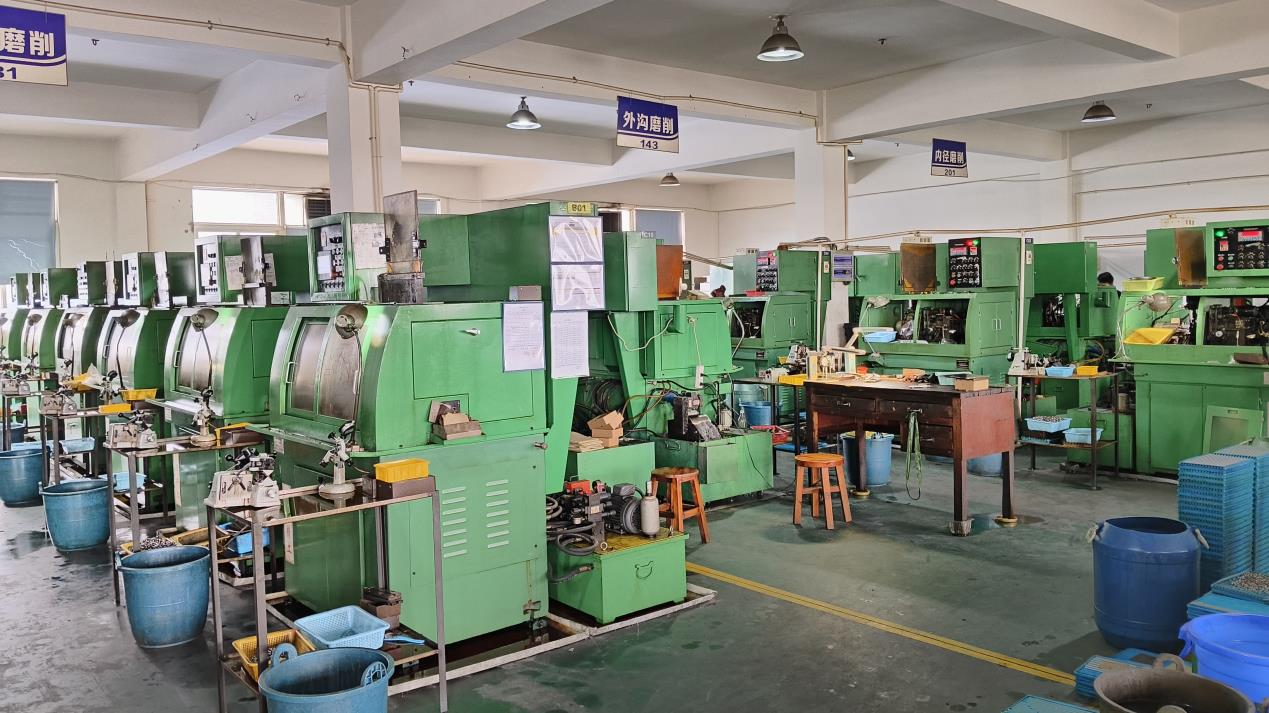
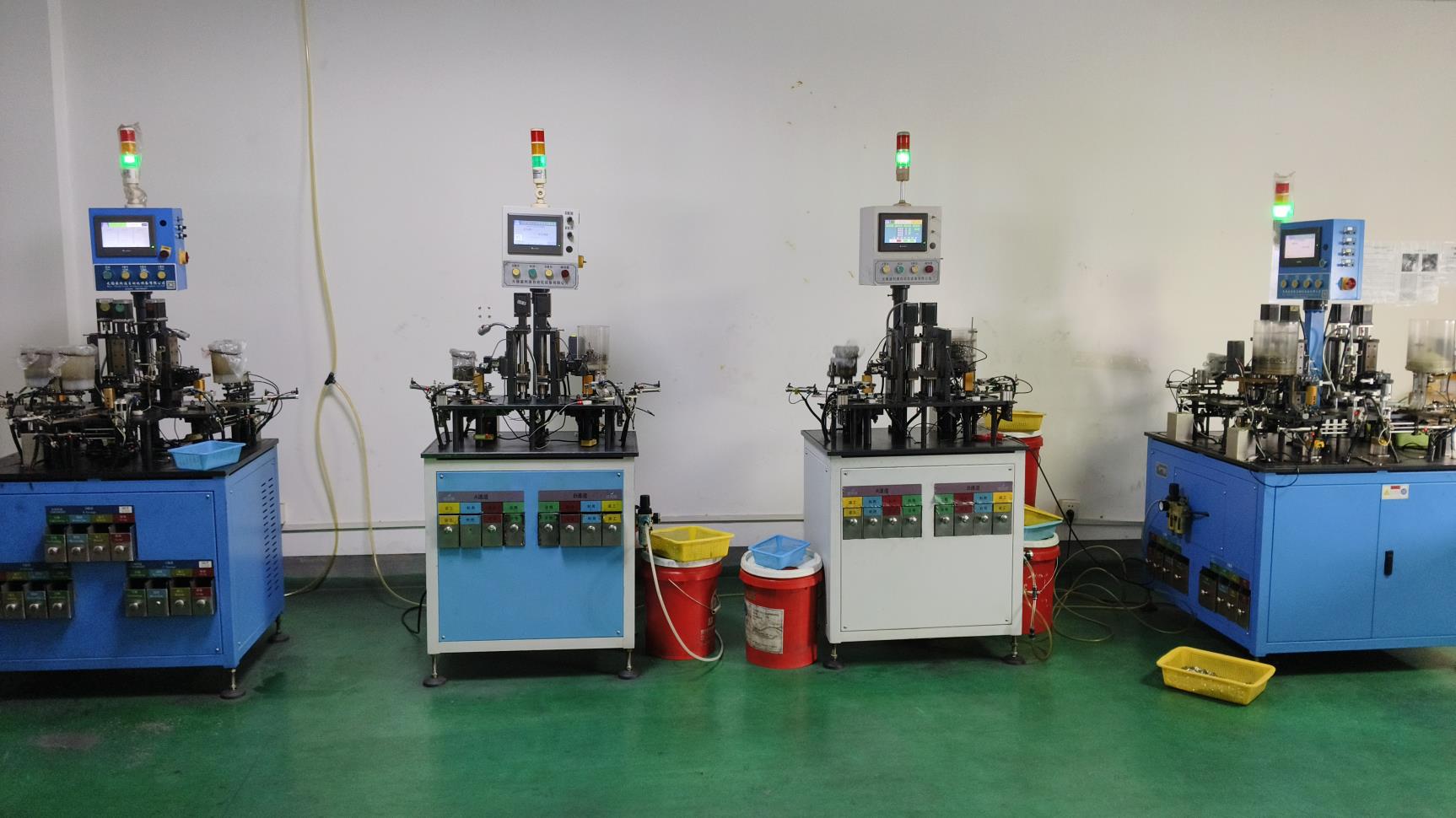
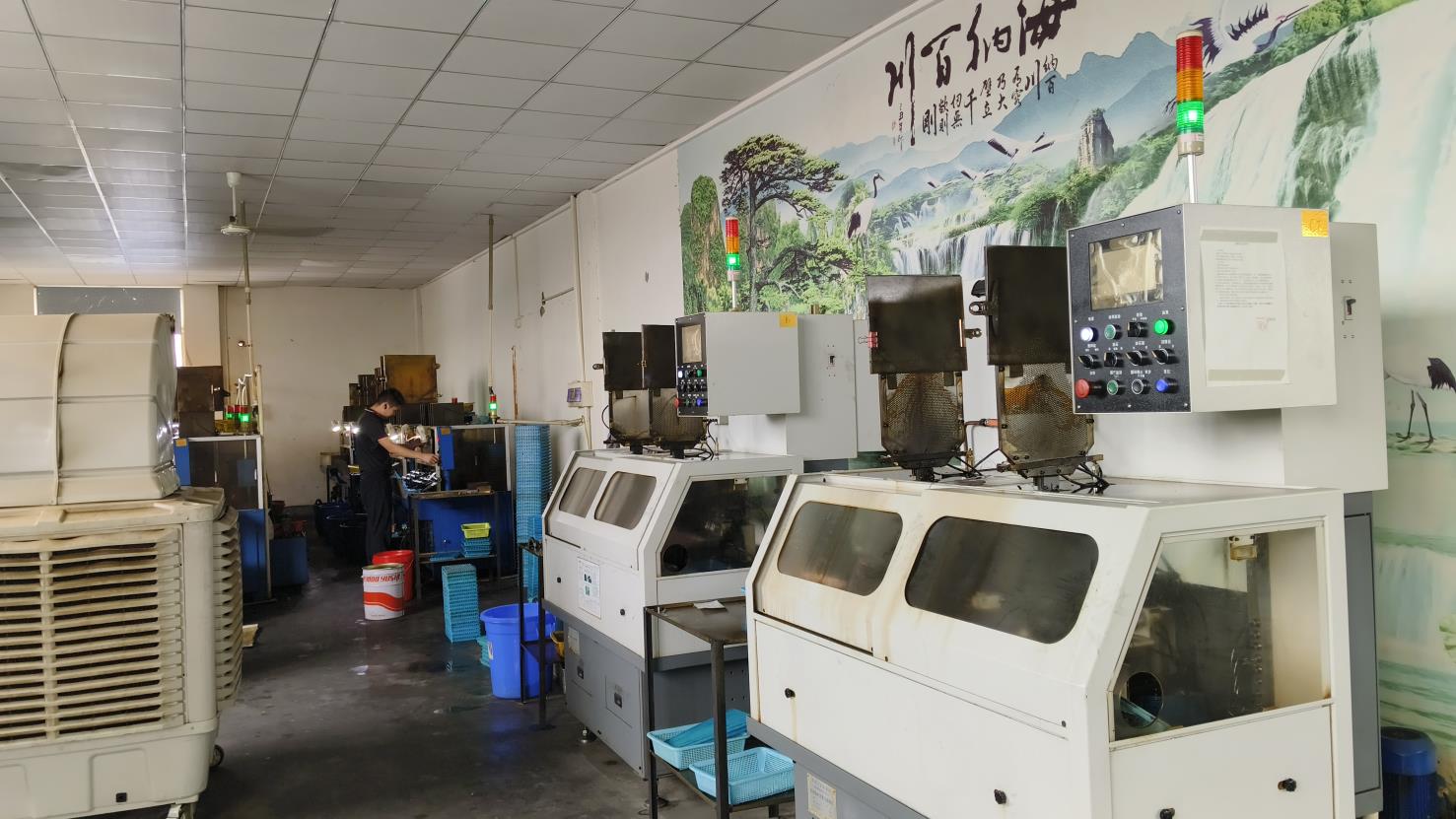
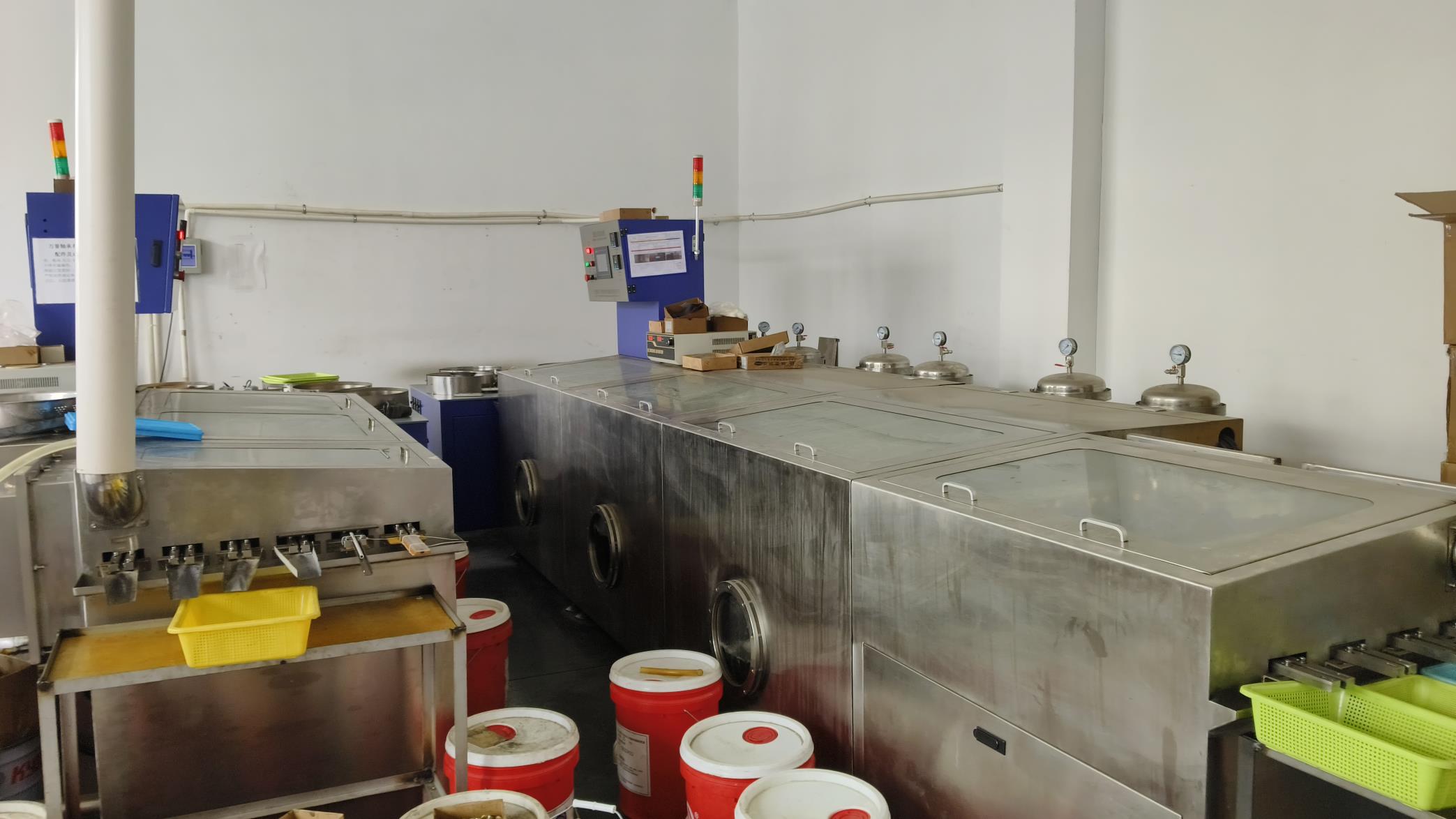
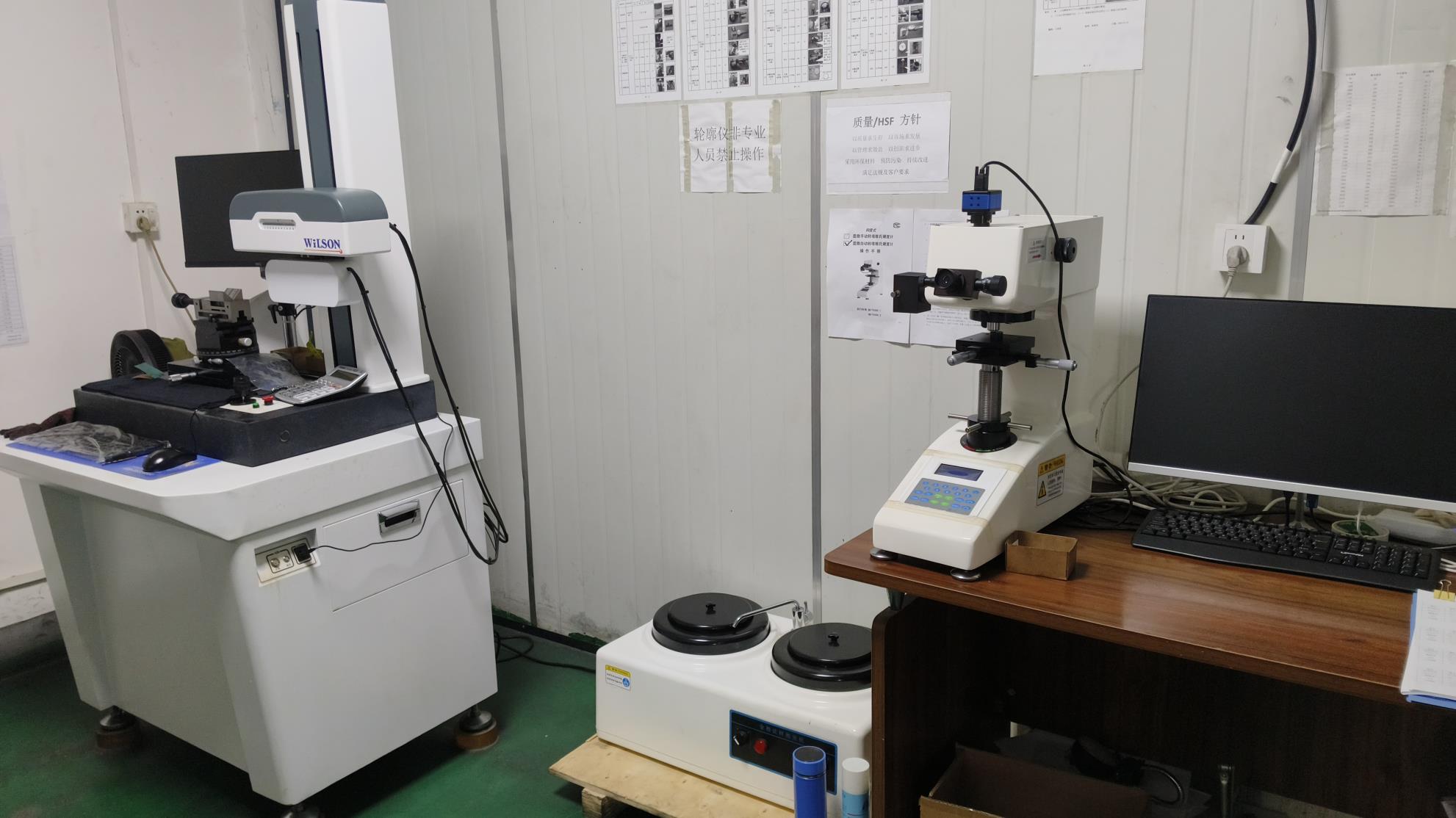
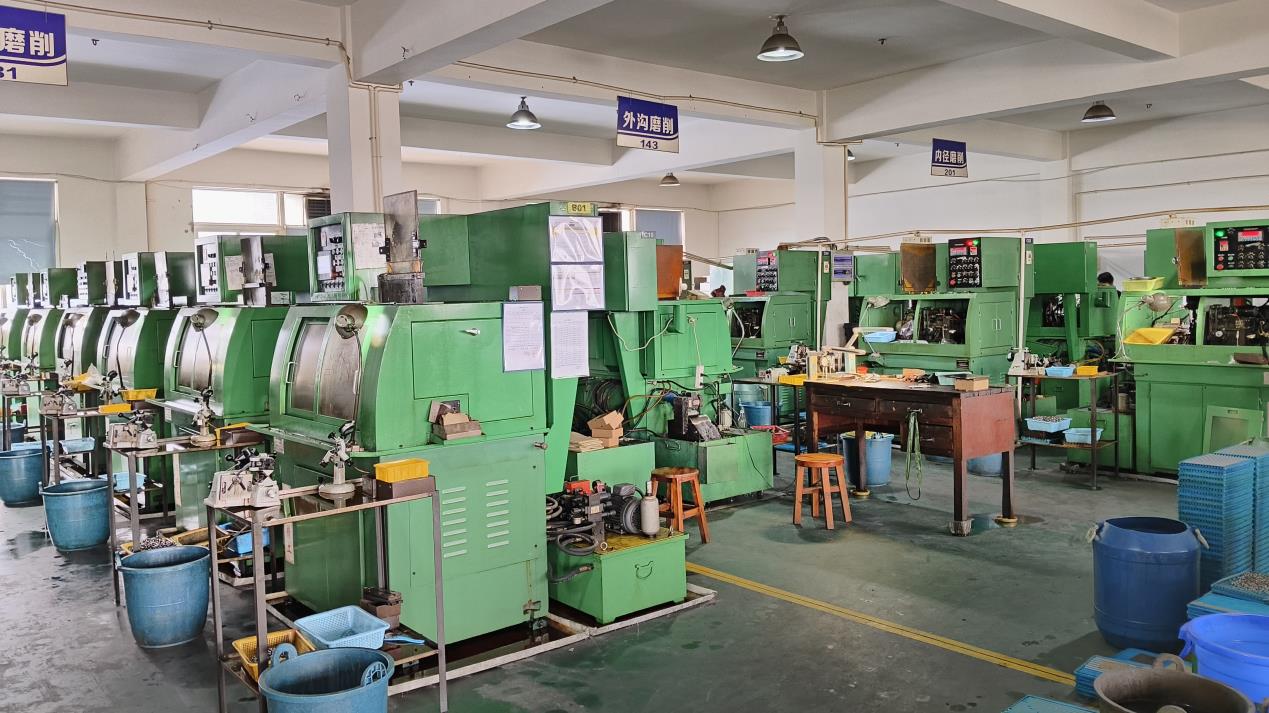
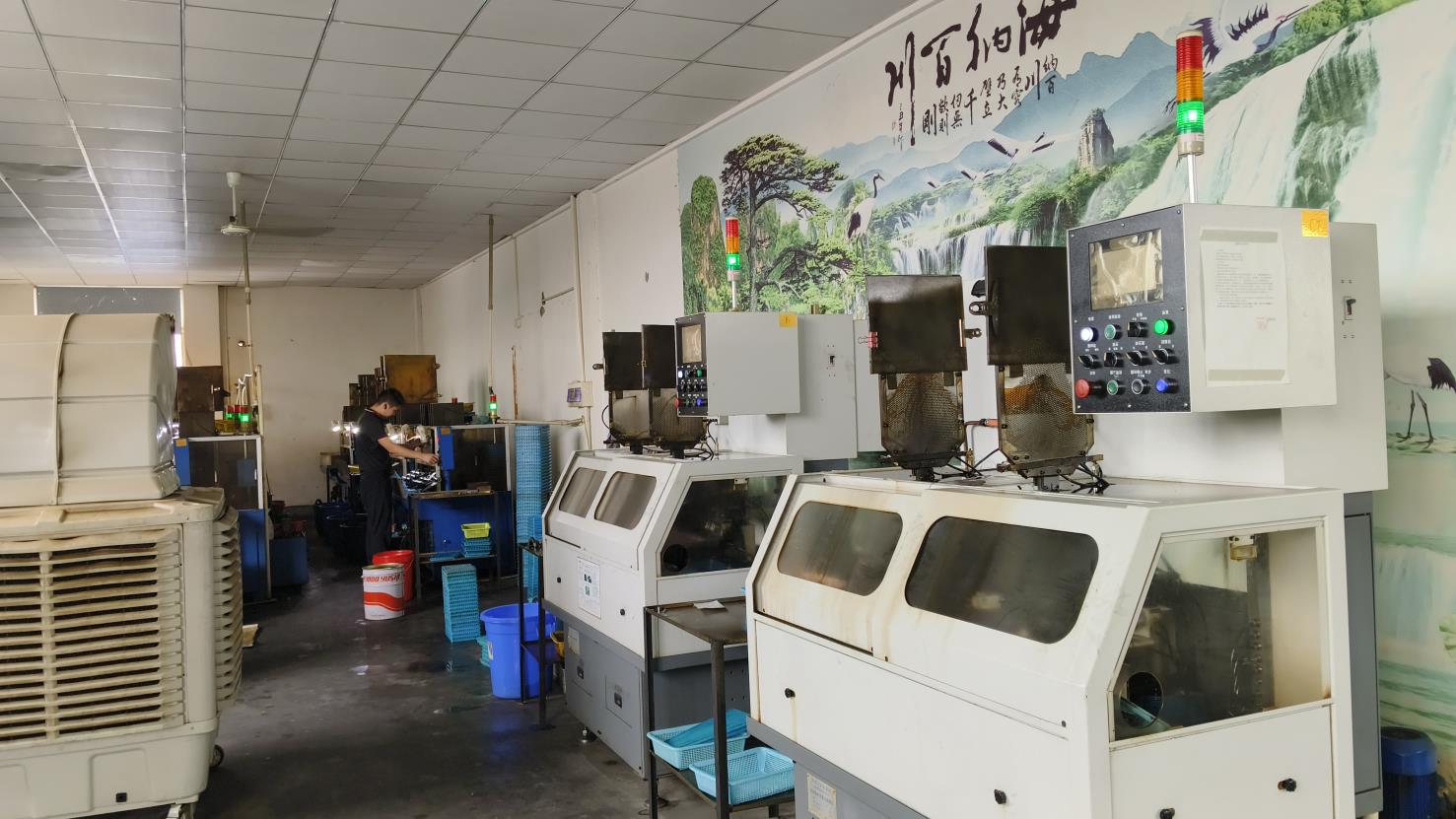
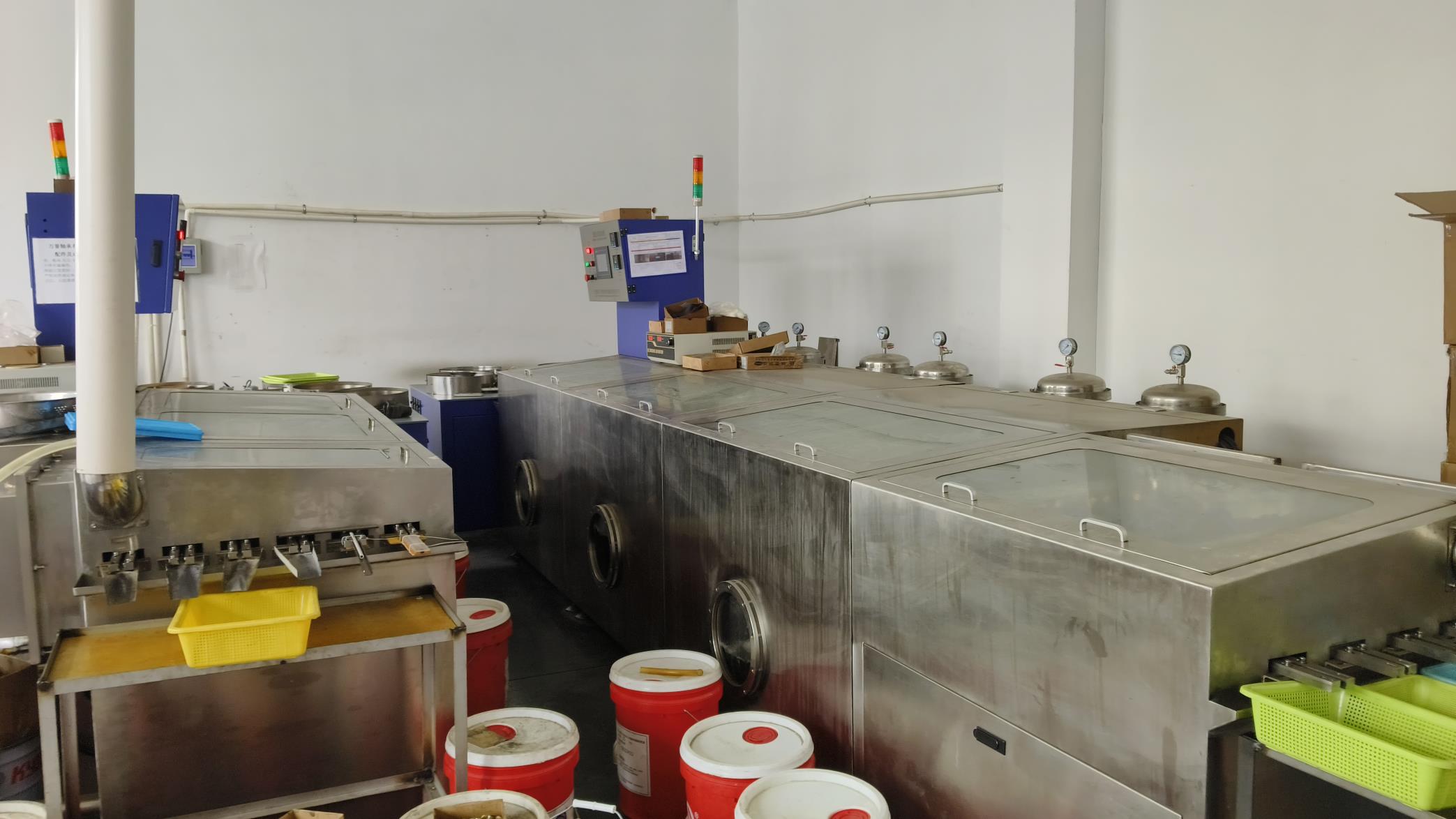
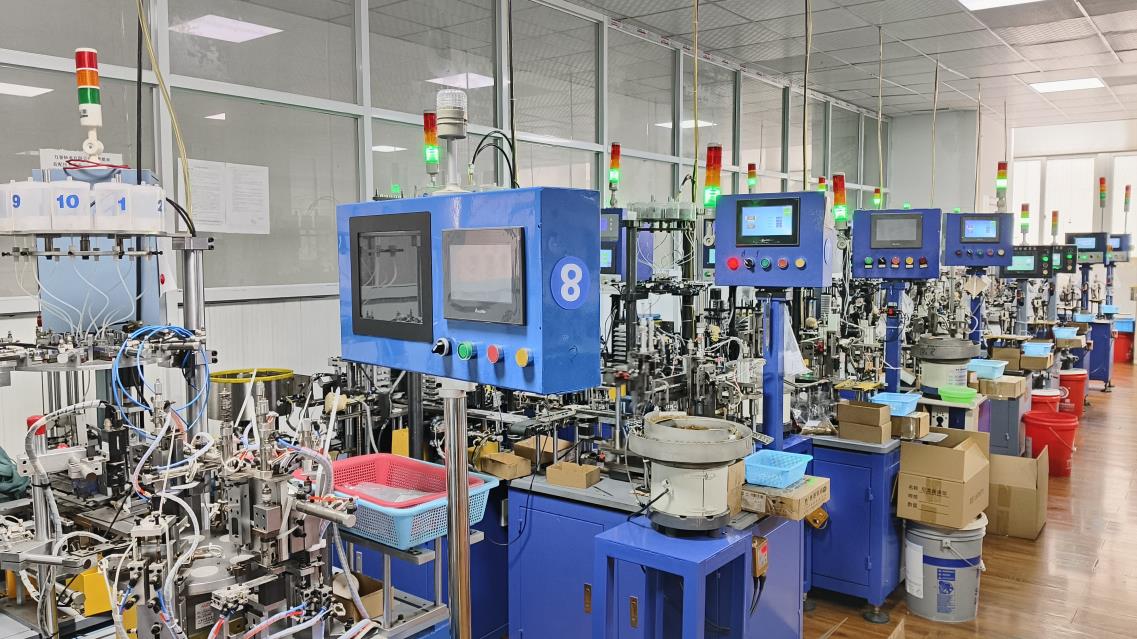
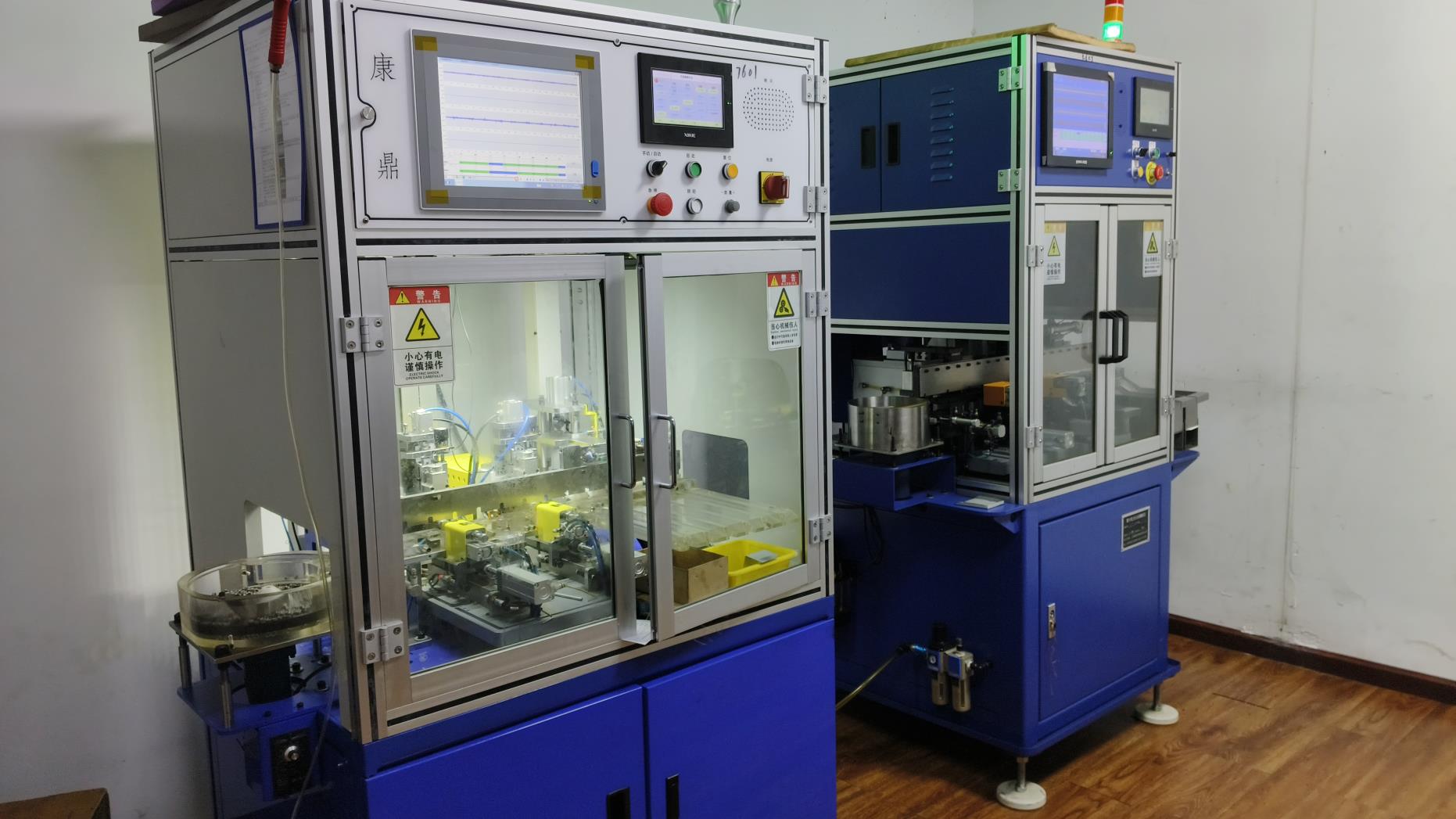
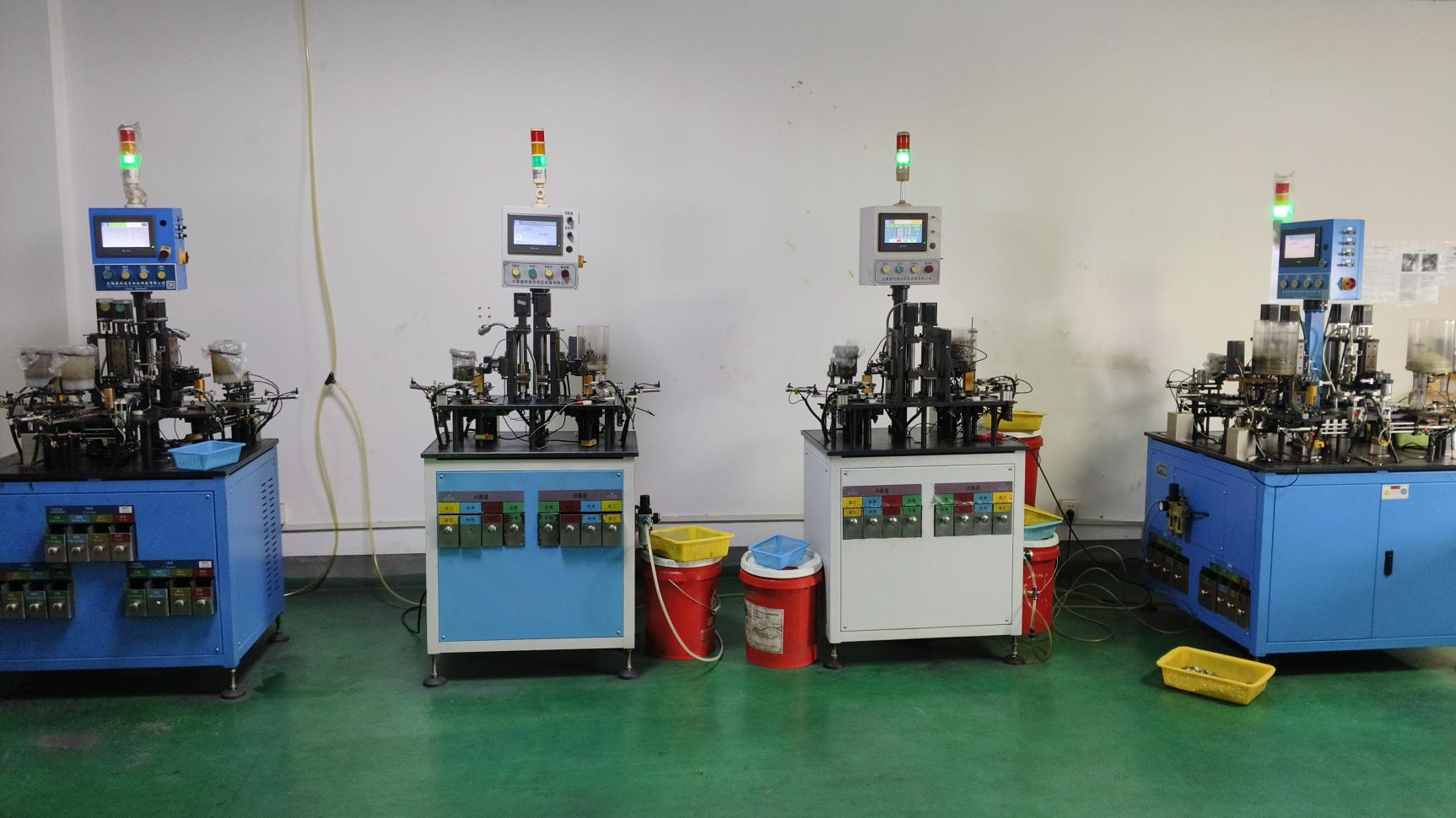
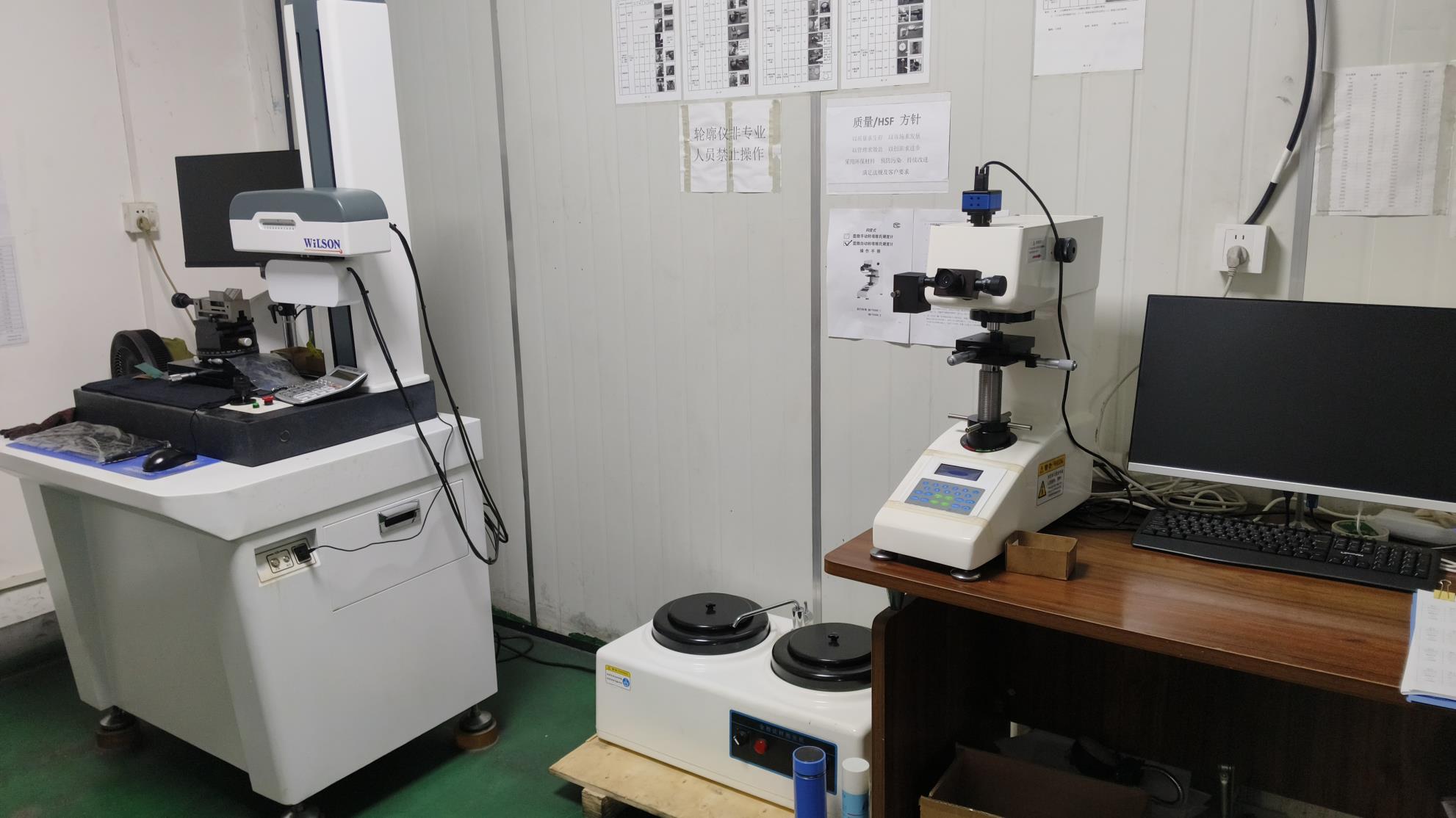
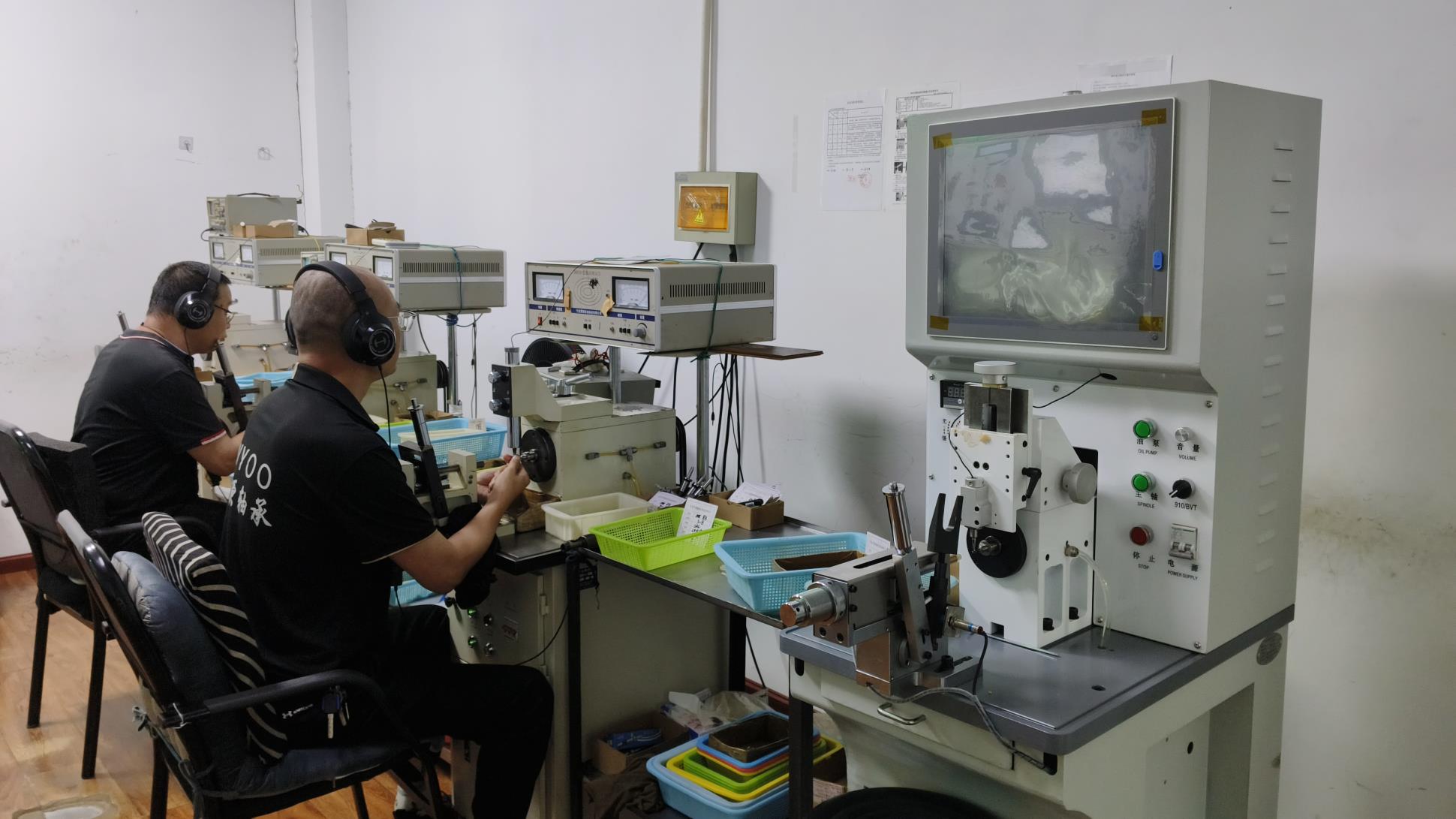
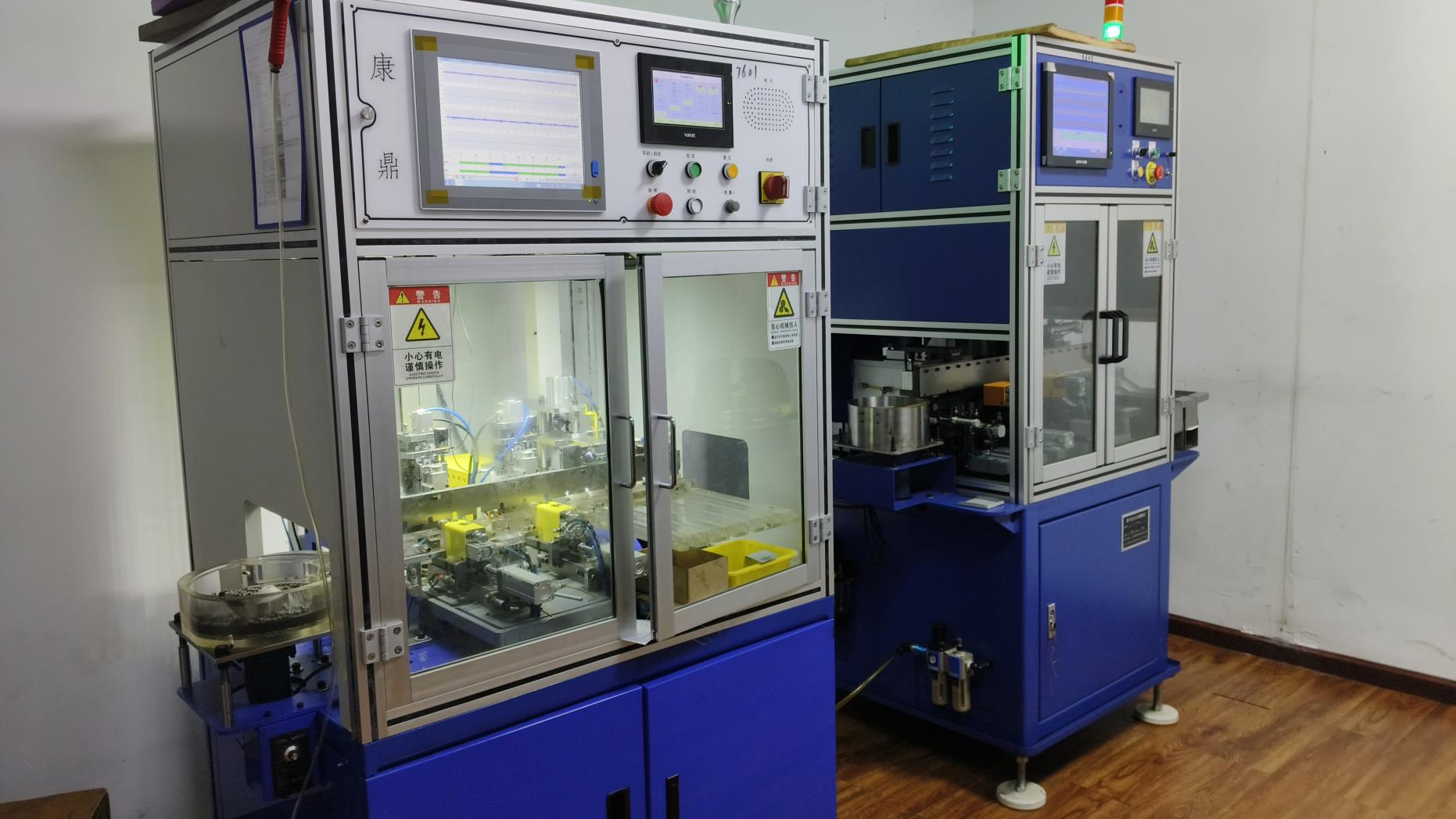
Factory Operations: Inside Our Machining & Testing Facility
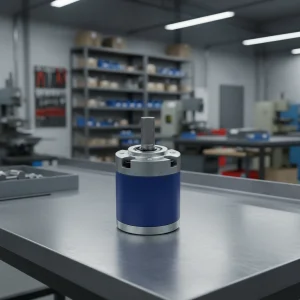
Every stage of production—from primary grinding to automated parameter inspection—is optimized for high-performance transmission gearing and mechanical power couplings.

Technological Trends in Precision Drive & Coupling Engineering
How shifting industrial landscapes force advancements in torque density, material optimization, and diagnostic integration.
Next-Gen Materials & Surface Metallurgy
Standard structural steels struggle with modern, power-dense configurations. High-performance alloys like 42CrMo and specialized nitriding surface treatments are standard in custom OEM gear couplings today. Advanced coatings reduce friction under high loads, prevent micro-welding in splined gears, and extend servicing intervals significantly.
Extreme Integration & Miniaturization
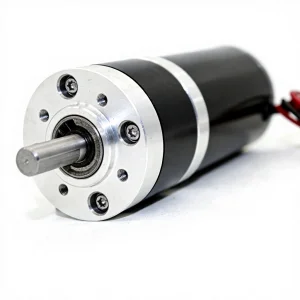
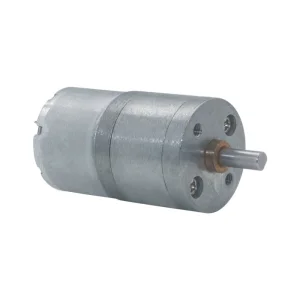
As medical devices, surgical instrumentation, and warehouse AGVs shrink, drive components must follow. Factories now combine micro DC motors directly with high-ratio planetary gearboxes and miniature couplings. This eliminates extra brackets, minimizes rotational inertia, and helps eliminate backlash.
Predictive Maintenance Integration
With sensors shrinking, smart factories embed real-time torque and vibration monitoring into coupling guards and gearbox housings. By tracking changes in harmonics, thermal signatures, and speed deviations, systems flag potential failures before they cause costly downtime.
Localized Applications & Spatial Case Scenarios
Precision gear coupling and compact drive systems adapt to different engineering requirements by region:
North American Aerospace & Defense
Requires fail-safe compliance, low-temperature lubrication profiles, and ultra-high torque retention. Custom couplings are designed to withstand severe mechanical shocks and dramatic pressure shifts.
European Robotic Automation
Demands low backlash (often <3 arc-minutes) and excellent angular alignment accuracy. These components must integrate seamlessly with high-efficiency servo drives in precise assembly operations.
Asia-Pacific High-Speed Logistics
High-volume warehouse environments require robust components. Here, long service life, rapid thermal dissipation, and simple field maintenance are key to keeping automated sorting hubs moving.
Technical Roadmap & Future Outlook
Dongguan AAGE Technology plans to advance transmission technology through three key initiatives:
Phase 1: Advanced Finite Element Design Optimization
Deploying FEA simulation software to model localized stress distribution in crowned gear teeth. This allows us to optimize tooth geometry for maximum contact area even during high angular misalignment.
Phase 2: Hybrid Composite Gearing Technologies
Developing steel-polymer and ceramic-reinforced coupling components. These hybrids significantly reduce total system weight and inertia while maintaining excellent torsional rigidity.
Phase 3: Digital Twin & Smart Sensing Hubs
Integrating micro-sensors directly into drive housings. These sensors monitor load dynamics in real time, sharing critical status data directly with centralized automation systems.
Industrial Problem Solving: Custom Gearing Solutions
How customized engineering designs resolve high-frequency failure points, structural vibrations, and torque limits across various sectors.
High-speed packaging and filling lines frequently suffer from angular misalignment, causing vibrations that ruin products and wear out bearings prematurely.
Solution: We configured crowned gear teeth with targeted backlash margins, absorbing structural vibrations and keeping output speeds highly stable.
Sudden startups on heavily loaded transport lines subject drive shafts to massive torque spikes, often snapping standard rigid couplings.
Solution: By utilizing high-tensile alloy steel couplings with specialized elastomeric elements, we buffered torque spikes and protected the primary drive motors.
Medical diagnostic drives and laboratory automation components must run quietly, making standard metallic gears too noisy for clinical spaces.
Solution: We manufactured composite helical gears paired with sound-dampening polymer couplings, bringing noise levels down below 40dB.
Frequently Asked Questions
Detailed answers to common engineering, procurement, and integration questions for gear couplings and micro drive systems.
1. What is the difference between a gear coupling and a flexible coupling?
Gear couplings rely on mechanical mesh geometry (crowned teeth on inner hubs engaging internal splines on outer sleeves) to transmit torque. This design allows them to handle much higher torque loads than elastomeric or disc-based flexible couplings of a similar size. While flexible couplings rely on the elastic deformation of materials like rubber or thin metal discs to handle misalignment, gear couplings use mechanical clearance, making them ideal for high-torque, heavy-duty applications.
2. How do you select the correct torque and backlash rating for micro DC gear motors?
Selection starts by calculating the application's continuous operating torque, peak starting torque, and duty cycle. For high-precision positioning (like robotics or optical instruments), you need a low-backlash planetary gearbox, often specified in arc-minutes. You must also account for axial and radial shaft loads to ensure the gearbox bearings can handle the force without premature wear.
3. What custom options can an OEM factory provide for gear couplings and gearboxes?
As a direct OEM manufacturer, Dongguan AAGE Technology can customize multiple parameters. We offer custom shaft dimensions, specialized materials (like stainless steel, titanium, or engineered polymers), custom gear ratios, custom tooth profiles, and unique mounting patterns. We can also modify windings to hit specific voltages, speeds, and torques.
4. Why is decibel testing critical in medical-grade gear drives?
Medical devices (such as pumps, hospital beds, and diagnostics machines) operate close to patients and medical staff, where quiet operation is essential. High noise levels can cause stress and fatigue. Our automated decibel testers ensure every gear and motor assembly runs smoothly, catching manufacturing anomalies that could cause acoustic noise or vibration.
5. How does misalignment compensation work in precision gear systems?
Gear systems handle misalignment through crowned tooth profiles. Rather than flat gear teeth, the crowns are curved. This curved surface allows the hub to tilt slightly inside the sleeve, accommodating parallel, angular, or axial misalignment without binding or creating localized stress points.
6. What quality standards (CE, RoHS, REACH) are mandatory for industrial drive components?
These standards ensure safety, environmental compliance, and reliability. CE certification indicates that electrical parts conform to European safety standards. RoHS and REACH limit the use of hazardous substances like lead, mercury, and cadmium, protecting workers and the environment and ensuring hassle-free importing globally.
Advanced Motion Control & Reducer Assemblies
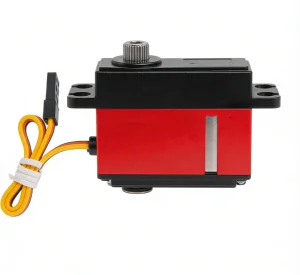
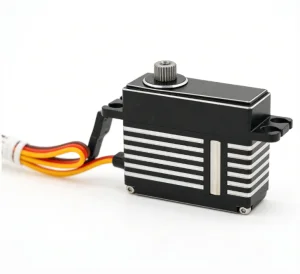
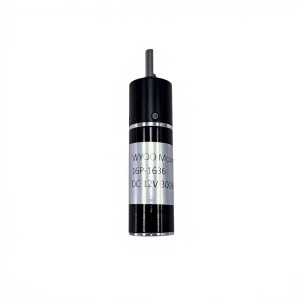
High-torque planetary systems, metal gear servos, and custom-ratio motors for industrial automation.