As the world moves towards 2026, the motor industry is undergoing significant transformation. Global buyers are increasingly looking toward China for reliable motor manufacturers. Experts suggest that this shift offers exciting new opportunities. Dr. Emily Zhang, a renowned expert in automotive engineering, aptly states, "Innovation in motors will redefine global markets."
Chinese motor manufacturers are positioning themselves to meet diverse demands. They emphasize efficiency, quality, and technological advancement. However, challenges remain in maintaining consistency in standards and customer service. Buyers must navigate this evolving landscape carefully.
The competition is fierce, and the stakes are high. Emerging players must learn from the industry's giants. Fostering partnerships could benefit both established brands and newcomers. In this dynamic sector, understanding consumer preferences will be crucial. As the year approaches, all eyes will be on China's capabilities in the global motor market.
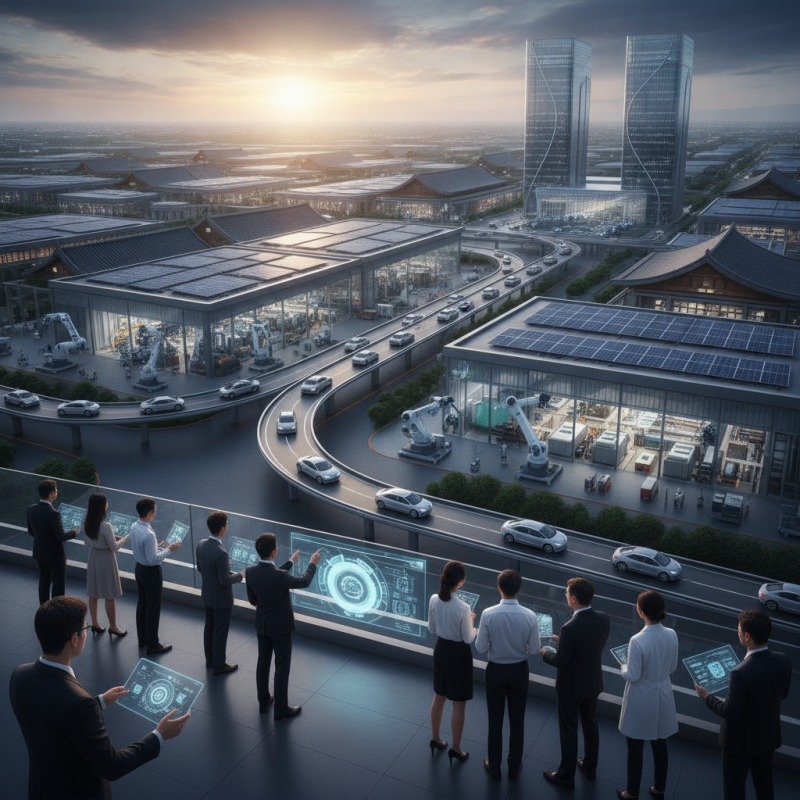
As we look toward 2026, China's motor manufacturing industry is undergoing significant changes. The country has steadily increased its global market share, accounting for over 40% of motor production in recent years. Reports suggest that innovations in electric and hybrid motors will drive this growth. The market for electric motors alone is projected to reach $150 billion by 2026, highlighting the demand for advanced solutions.
China's investments in research and development are notable. Industry leaders are utilizing AI and smart manufacturing techniques. These advancements enhance production efficiency and quality control. Challenges remain, however. Some manufacturers struggle with meeting international standards. The need for sustainable practices is also evident. The industry must adapt to increasing environmental regulations.
Tips for buyers: When considering Chinese manufacturers, research their certifications thoroughly. Check their compliance standards as well. Another tip is to evaluate their innovation history. Companies leading in technology often have better quality motors. Remember, quality often trumps cost in the long run. Understanding these facets can improve your purchasing decisions.
China's motor manufacturing sector is experiencing rapid growth. Several factors contribute to this trend. The country boasts a vast labor force skilled in engineering and production. This expertise improves efficiency and innovation. Additionally, investments in technology are shaping better products. Robotics and AI enhance production processes significantly.
Tips: Look for manufacturers that invest in R&D. A commitment to innovation often leads to superior products.
Domestic demand for electric vehicles is another driving force. As more consumers shift toward sustainable options, manufacturers respond. This transition fosters a competitive environment. Companies are compelled to develop new technologies to meet rising expectations.
Tips: Assess the market needs before engaging suppliers. Understanding trends can lead to better purchasing decisions.
However, challenges exist in the industry. Quality control remains a concern as production scales up. Maintaining consistent standards is essential for reputation. Some manufacturers might struggle with this aspect amid rapid growth. Reflecting on these issues can lead to more sustainable practices in the long run.
As the global demand for high-quality motors increases, Chinese manufacturers are stepping up their game. A notable trend in the industry is the emphasis on research and innovation. Many companies are adopting advanced technologies to enhance production efficiency. This positions them competitively against established global players.
Tip: When choosing a motor manufacturer, consider their technological capabilities. Advanced manufacturing processes can lead to more reliable products.
Chinese manufacturers often excel in cost efficiency. Lower production costs can translate into affordable pricing for buyers. However, this raises questions about quality control. Some manufacturers may cut corners to save on expenses, leading to unreliable products. It’s essential to balance cost with quality.
Tip: Always request samples before making bulk purchases. Testing products firsthand can reveal potential issues early on.
Furthermore, while many Chinese companies pride themselves on speed, not all maintain consistent delivery times. Delays can impact project timelines. Buyers should evaluate a manufacturer's track record for on-time delivery to avoid disruptions.
Tip: Establish clear communication with suppliers. Regular updates can help manage expectations and ensure smoother operations.
China's motor manufacturing landscape is undergoing significant transformations. Technological innovations drive this change, pushing the industry forward.
Automation and AI are becoming pivotal. Factories are integrating smarter systems, which improve efficiency and reduce errors. However, the reliance on these technologies raises questions.
Are workers losing their touch in craftsmanship?
Electric vehicles are another revolution in China's motor sector. Battery technology advancements are crucial. Improved energy density means longer ranges for electric motors. Yet, sustainability issues linger.
The environmental impact of battery production and disposal needs serious consideration.
Moreover, collaborative robotics, or cobots, are reshaping how assemblies operate. They enhance precision without replacing human jobs entirely. This new balance poses its challenges.
How can companies ensure that workers adapt to these changes? Training and reskilling are essential. The path forward is complex and requires careful navigation.
China's motor manufacturers face significant challenges as they try to penetrate global markets. One pressing issue is the fierce competition from established players overseas. These competitors have built strong reputations for quality and reliability. As a result, Chinese manufacturers must elevate their standards. This involves not only improving product quality but also enhancing customer service.
Regulatory hurdles can also impede progress. Many foreign markets have strict compliance standards. Navigating these regulations can be complex and costly. Manufacturers must invest time and resources to ensure compliance and avoid penalties. This can divert attention from core product development activities, which may impact innovation.
Moreover, there is a growing demand for sustainability. Buyers globally are increasingly concerned about environmental impact. Chinese manufacturers must adapt by adopting greener technologies and practices. This shift requires a deep understanding of new processes and materials. Balancing cost-control with sustainable practices presents a challenge that requires ongoing reflection and adjustment.
| Dimension | Current State | Future Outlook | Challenges |
|---|---|---|---|
| Market Share | 15% of global market | 20% projected by 2026 | Intense competition from other countries |
| R&D Investment | $1 billion annually | Increased to $1.5 billion by 2026 | Need for innovative technology |
| Sustainability Practices | Limited recycling programs | Full recycling by 2026 | Regulatory pressures in global markets |
| Supply Chain Resilience | Vulnerable to disruptions | Strengthened supply chains by 2026 | Geopolitical tensions |
| Export Levels | $5 billion | Projected $8 billion by 2026 | Tariffs and trade barriers |
: A vast skilled labor force and investments in technology are key factors driving growth in this sector.
Robotics and AI significantly enhance production processes and improve overall product quality.
The shift towards sustainable options compels manufacturers to innovate, meeting rising consumer expectations.
Understanding market needs and trends can lead to better purchasing decisions and successful partnerships.
As production expands, maintaining consistent quality standards becomes crucial for a manufacturer’s reputation.
They often excel in cost efficiency, but lower prices can sometimes raise concerns about product quality.
Testing products firsthand can reveal potential quality issues early, helping inform buying decisions.
Inconsistent delivery times can disrupt project timelines, so evaluating a manufacturer's record is essential.
Fierce competition, regulatory compliance, and the need for sustainability increase pressures on Chinese manufacturers.
They need to invest in greener technologies and shift practices, balancing costs with environmental considerations.
By 2026, China's motor manufacturing industry is poised to transform, driven by significant technological innovations and competitive growth factors. The evolution of this sector reflects a strategic shift towards advanced manufacturing techniques and enhanced production capabilities, positioning China as a potential leader in the global motor market. Key factors include government support, increased investment in research and development, and a growing emphasis on sustainability in production processes.
While Chinese motor manufacturers are improving their competitiveness, they face challenges in entering global markets, such as varying regulatory environments and intense competition from established players. A comprehensive comparison shows that while Chinese manufacturers are gaining ground, addressing these challenges will be crucial for maintaining momentum in the highly dynamic landscape of the motor industry. As China continues to innovate, its role as a significant player in the global motor manufacturing arena will likely solidify over the coming years.
